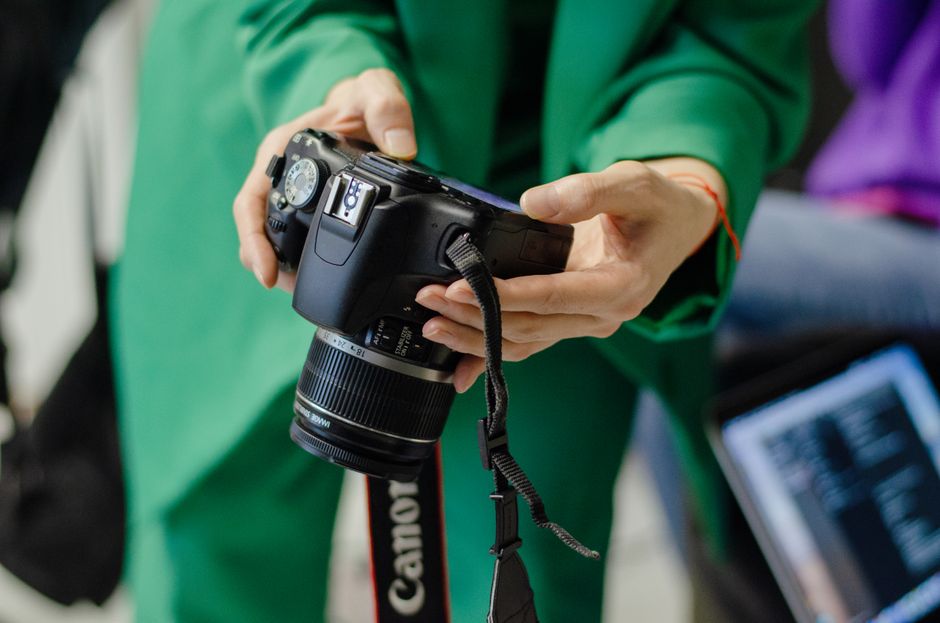

In today’s fast-paced digital landscape, music videos have transcended their original purpose of merely promoting songs. They have become a vital component of an artist’s brand and a powerful storytelling medium. Understanding the intricate process of music video production is essential for artists and producers alike. This article delves into the essential aspects of creating captivating music videos that resonate with audiences.
The Pre-Production Phase
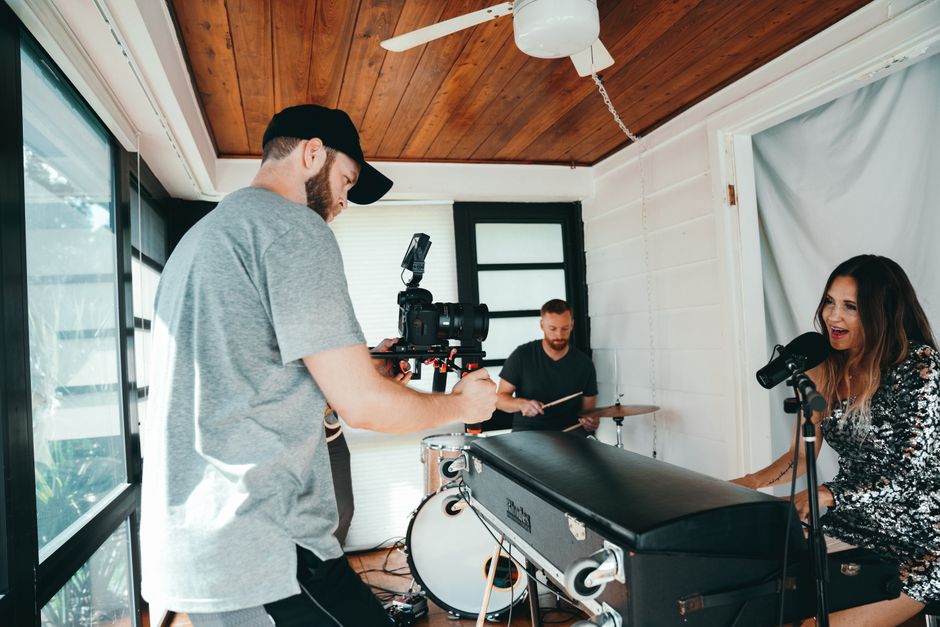
Every successful music video begins long before the cameras start rolling. The pre-production phase is critical for setting the foundation of the project. This stage typically involves brainstorming ideas, creating storyboards, and planning the logistics of the shoot.
During pre-production, it is crucial to define the video’s concept. Will it be a narrative-driven piece, a performance video, or an abstract art form? Once the concept is established, a detailed storyboard can be created, allowing everyone involved to visualize the final product. This is also the time to assemble a crew, which may include directors, cinematographers, and production assistants.
Furthermore, budgeting is a key aspect of this phase. A well-planned budget will help avoid overspending and ensure that all necessary resources are allocated efficiently. This includes costs for locations, equipment, talent, and post-production.
Shooting the Music Video
Once pre-production is complete, it’s time to shoot the video. This phase is often the most exciting yet challenging part of the production process. Proper planning can significantly enhance the efficiency of the shoot.
Filming typically involves multiple takes, different angles, and various scenes. It is essential for the director to communicate effectively with the crew and talent to capture the desired shots. Lighting plays a pivotal role in setting the mood of the video; therefore, it’s important to use the right lighting techniques to enhance the visuals.
Incorporating dynamic camera movements can also elevate the aesthetic appeal of the video. Techniques such as tracking shots, dolly moves, and crane shots can provide a more engaging viewer experience. As the shoot progresses, the director should continuously assess the footage to ensure that it aligns with the initial concept.
Post-Production Magic
After the shooting wraps up, the post-production phase begins. This is where the raw footage is transformed into a polished final product. Post-production involves editing the video, adding special effects, and integrating sound.
Editing is one of the most critical steps in the post-production process. Editors work closely with directors to select the best takes and piece them together in a way that tells a cohesive story. This may also involve color correction and grading to enhance the visual appeal.
Sound design is equally important. The synchronization of the audio track with the visuals must be seamless to create an immersive experience for the audience. Additionally, incorporating sound effects or background tracks can add depth to the narrative.
Distribution and Promotion
The final stage of music video production involves distribution and promotion. Once the video is ready, it’s time to get it in front of the audience. This can be done through various platforms including YouTube, Vimeo, and social media channels.
Promotion is crucial for maximizing reach and engagement. Utilizing social media campaigns, teaser trailers, and behind-the-scenes content can generate buzz before the official release. Collaborating with influencers and music blogs can also enhance visibility.
Analyzing viewer engagement and feedback post-release will provide valuable insights for future projects. Understanding audience preferences can guide artists in refining their artistic direction and production strategies.
The Future of Music Video Production
As technology continues to evolve, so does the landscape of music video production. Virtual reality (VR) and augmented reality (AR) are becoming increasingly popular, offering innovative ways to engage viewers. Artists are now experimenting with interactive videos, allowing viewers to influence the narrative or choose different paths.
Moreover, advancements in filming equipment and editing software have made high-quality production more accessible to independent artists. This democratization of technology is leading to a surge in creative content, making music videos an even more vital part of an artist’s marketing strategy.
In conclusion, music video production is a multifaceted process that requires careful planning, creativity, and execution. By understanding the various stages – from pre-production to promotion – artists and producers can create compelling music videos that not only enhance their brand but also connect with audiences on a deeper level.
Conclusion
In summary, the art of music video production is an intricate blend of creativity and technical expertise. Each phase contributes to the overall success of the project, making it essential for artists and producers to approach every step with careful consideration. As the industry continues to evolve, staying informed about the latest trends and technologies will be crucial for creating captivating content that resonates with viewers.