
In recent years, the architectural industry has seen a significant shift towards sustainability, with more firms recognizing their responsibility to the environment. Sustainable architecture focuses on minimizing the negative impact of buildings on the environment and promotes a healthier living space. As eco-consciousness grows among consumers, sustainable architecture firms are becoming increasingly important players in the construction sector.
Understanding Sustainable Architecture
Sustainable architecture is not just a trend; it is a necessity. The built environment contributes significantly to greenhouse gas emissions, energy consumption, and waste generation. According to the U.S. Green Building Council, buildings are responsible for about 39% of U.S. carbon emissions. Therefore, adopting sustainable practices in architecture is vital for combating climate change.
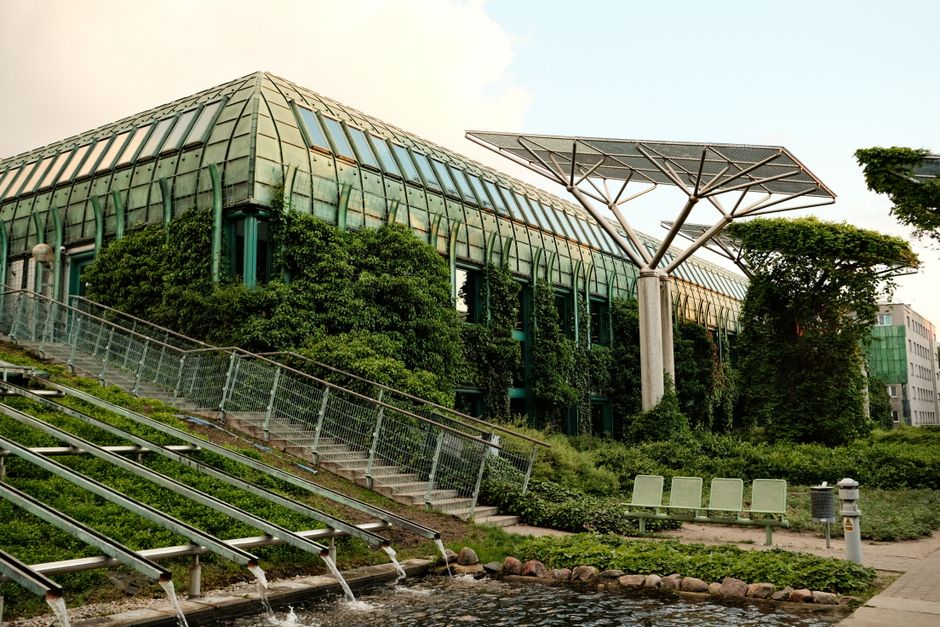
At its core, sustainable architecture involves designing buildings that utilize resources efficiently and minimize environmental impact. This includes using eco-friendly materials, implementing energy-efficient systems, and designing for longevity. By focusing on these elements, sustainable architecture firms aim to create structures that are not only aesthetically pleasing but also environmentally responsible.
The Role of Sustainable Architecture Firms
Sustainable architecture firms play a crucial role in promoting eco-friendly design principles. They provide expertise in various aspects of sustainable building, including site selection, energy efficiency, and waste management. These firms often collaborate with engineers, landscape architects, and urban planners to ensure that all aspects of a project are aligned with sustainability goals.
One prime example of a successful sustainable architecture firm is Studio Gang, which has gained recognition for its innovative designs that prioritize environmental stewardship. Their projects, such as the Aqua Tower in Chicago, showcase how modern architecture can harmoniously blend with nature while minimizing energy use.
Innovative Practices in Sustainable Design
To achieve sustainability, firms are increasingly adopting innovative practices. One such practice is the use of sustainable materials, such as reclaimed wood, recycled steel, and low-VOC paints. These materials not only reduce the environmental footprint of a building but also enhance indoor air quality.
Additionally, many firms are utilizing advanced technology to optimize energy efficiency in their designs. For instance, Building Information Modeling (BIM) allows architects to create energy-efficient designs by simulating a building’s performance before construction begins. Such technology can lead to significant energy savings, with some studies suggesting reductions of up to 30% in energy consumption for new buildings.
Challenges Facing Sustainable Architecture Firms
Despite the growing demand for sustainable architecture, firms face several challenges. One significant hurdle is the higher initial cost associated with sustainable building practices. Although these practices often lead to long-term savings, many clients are hesitant to invest in them upfront.
Moreover, the lack of standardization in sustainable design can create confusion. Different certification programs, such as LEED and BREEAM, have varying criteria, which can make it challenging for firms to navigate the requirements and for clients to understand the benefits. This fragmentation can lead to skepticism regarding the value of sustainable architecture.
The Future of Sustainable Architecture
The future of sustainable architecture looks promising as more clients demand environmentally responsible designs. The global green building market is expected to reach $364.6 billion by 2022, according to a report by Allied Market Research. This growth indicates that sustainable architecture firms will likely continue to thrive as they adapt to changing market demands.
Furthermore, government incentives and policies aimed at promoting green building practices are becoming more prevalent. These initiatives not only encourage firms to adopt sustainable methods but also support clients in their investment decisions.
As sustainability becomes a central theme in architecture, firms that specialize in eco-friendly practices will be at the forefront of innovation. By prioritizing sustainable design, these firms will contribute to a healthier planet while meeting the needs of a growing population.
In conclusion, the rise of sustainable architecture firms signifies a shift towards a more responsible and eco-conscious construction industry. As these firms continue to lead the charge in innovative design and sustainable practices, the impact of architecture on the environment will become increasingly positive.