

The interior design of a restaurant plays a pivotal role in shaping the dining experience. From the layout to the color palette, every element contributes to the atmosphere and the overall impression that diners take away. In recent years, the focus on innovative and unique interior designs has intensified, as restaurateurs strive to create memorable experiences that go beyond just the food. This article delves into the key aspects of restaurant interior design, highlighting trends, practical tips, and the importance of creating a cohesive environment.
Understanding the Importance of Interior Design
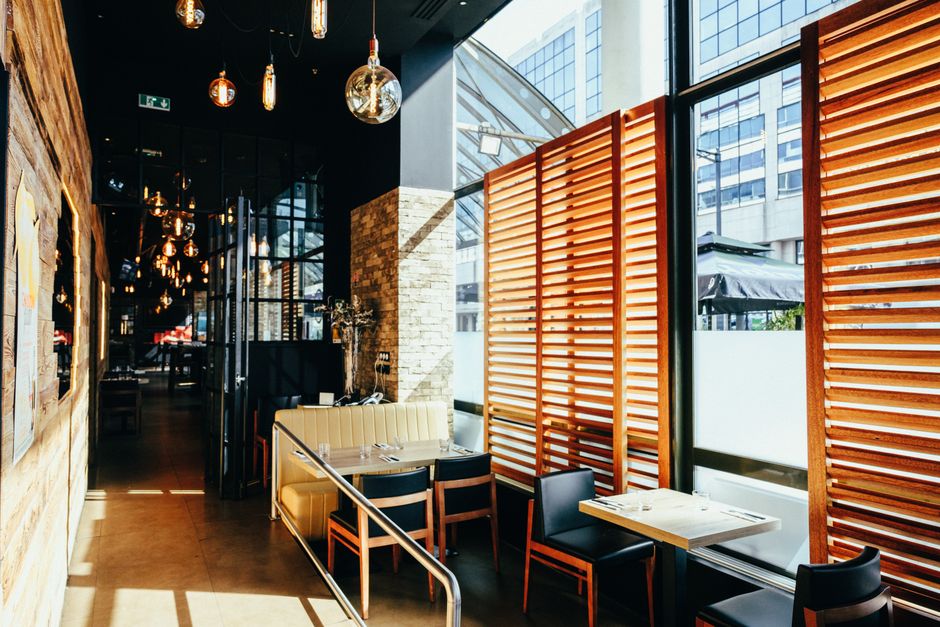
Interior design is not just about aesthetics; it also influences customer behavior and satisfaction. According to studies, well-designed spaces can enhance the dining experience, encouraging guests to linger longer and spend more. A restaurant with an inviting atmosphere is more likely to attract repeat customers, as they associate positive feelings with the environment. Therefore, understanding the psychology behind design choices is essential for any restaurant owner.
For example, studies show that the color scheme can affect appetite. Warm colors like red and yellow are known to stimulate hunger, while cooler tones can create a more relaxed atmosphere. By carefully selecting colors, restaurateurs can influence the dining experience in subtle but significant ways.
Current Trends in Restaurant Interior Design
As the restaurant industry evolves, so do the trends in interior design. One prominent trend is the incorporation of sustainable and eco-friendly materials. Many restaurants are opting for reclaimed wood, recycled metal, and organic textiles to create a more environmentally conscious space. This not only appeals to eco-aware consumers but also reflects a commitment to sustainability.
Another trend gaining traction is open-concept layouts. Removing barriers between the kitchen and dining area allows customers to see their meals being prepared, adding an element of transparency and engagement. This design choice also encourages a communal dining experience, fostering a sense of community among guests.
Creating a Cohesive Theme
Establishing a theme that resonates with the restaurant’s brand is crucial for effective interior design. Whether it’s a rustic farmhouse aesthetic or a sleek modern vibe, the theme should be reflected in every aspect of the space, from the furniture to the lighting. This cohesion not only enhances the ambiance but also strengthens the restaurant’s identity.
For instance, a Mediterranean restaurant may incorporate terracotta tiles, vibrant colors, and natural wood accents to evoke the warmth of the region. On the other hand, a high-end sushi bar might feature minimalist design elements, such as clean lines and neutral colors, to create a serene atmosphere. By aligning the interior design with the restaurant’s concept, owners can create a more immersive experience for diners.
Functional Layout and Flow
While aesthetics are important, functionality should never be overlooked. A well-thought-out layout ensures that both staff and customers can navigate the space efficiently. This includes considering the placement of tables, the flow from the kitchen to the dining area, and ensuring that there is enough room for servers to move without disrupting guests.
Moreover, the arrangement of furniture can significantly impact the overall atmosphere. For example, larger tables can create a sense of community, while smaller, intimate settings can cater to couples or small groups. By thoughtfully planning the layout, restaurant owners can enhance the dining experience and optimize service.
Leveraging Technology in Design
In the digital age, technology is increasingly influencing restaurant interior design. From interactive menus to smart lighting systems, technology can enhance the dining experience in innovative ways. For example, restaurants can use app-based ordering systems that allow customers to customize their meals from the comfort of their table.
Additionally, smart lighting can adjust to different times of day, creating a vibrant atmosphere during lunch and a more intimate setting for dinner. By integrating technology into the design, restaurants can not only improve operational efficiency but also offer a unique experience that sets them apart from the competition.
Conclusion
In conclusion, the interior design of a restaurant is a multifaceted aspect that directly impacts customer satisfaction and business success. By understanding the importance of design elements, embracing current trends, creating cohesive themes, ensuring functional layouts, and leveraging technology, restaurateurs can craft an inviting atmosphere that resonates with diners. As the culinary landscape continues to evolve, so too will the approaches to restaurant interior design, making it a vital consideration for anyone in the industry. For those looking to explore professional insights on restaurant interior design, there are numerous resources available to inspire and guide the creative process.