

As the world grapples with the escalating plastic waste crisis, plastic recycling companies are emerging as key players in the quest for sustainability. These organizations not only mitigate environmental damage but also pave the way for a circular economy. In this article, we will explore the various aspects of plastic recycling companies, including their processes, challenges, and the innovative technologies that are shaping their future.
Understanding the Plastic Recycling Process
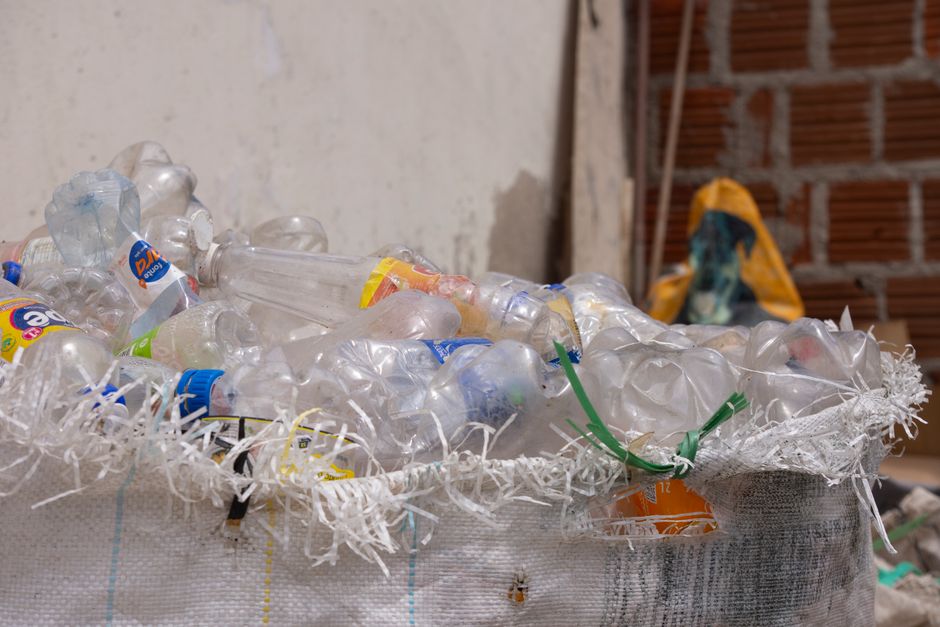
The plastic recycling process consists of several stages, each critical in transforming waste into reusable materials. Initially, plastics are collected from various sources, including households, businesses, and industrial sites. Once collected, the plastics are sorted based on their resin types, which is essential for effective recycling. Common types of recyclable plastics include PET (polyethylene terephthalate) and HDPE (high-density polyethylene).
After sorting, the plastics undergo cleaning to remove contaminants such as labels, dirt, and food residues. This cleaning process is vital, as any impurities can compromise the quality of the recycled product. Following cleaning, the plastics are shredded into smaller pieces to facilitate further processing.
The final stage involves melting the shredded plastics and forming them into pellets, which can then be used to manufacture new plastic products. This complete cycle not only reduces the volume of waste but also conserves natural resources, making it a win-win situation for the environment and the economy.
Challenges Faced by Plastic Recycling Companies
Despite their critical role, plastic recycling companies face numerous challenges that hinder their efficiency and growth. One of the primary issues is the contamination of recyclable materials. Many consumers do not properly clean or separate their plastics, leading to a significant amount of non-recyclable waste entering the recycling stream.
Moreover, the fluctuating market prices for recycled materials can pose a financial risk for these companies. When the prices drop, recycling can become less economically viable compared to producing new plastics from virgin materials. This situation often leads to increased competition and can result in some companies shutting down.
Another significant challenge is the lack of standardization in recycling practices across different regions. Varying regulations and guidelines can create confusion for consumers, making it difficult for them to know what can and cannot be recycled. This inconsistency can significantly impact the efficiency of recycling programs.
Innovations Transforming Plastic Recycling
To address these challenges, plastic recycling companies are increasingly adopting innovative technologies and practices. One notable advancement is the use of advanced sorting technologies, such as AI-powered machines that can identify and separate different types of plastics more efficiently than human workers.
Additionally, some companies are exploring chemical recycling methods, which can break down plastics into their original monomers, allowing for a more comprehensive recycling process. This method can handle contaminated plastics that traditional mechanical recycling cannot, expanding the pool of materials that can be recycled.
Furthermore, partnerships with businesses and governments are fostering initiatives aimed at improving recycling rates. For instance, some companies have engaged in educational campaigns to inform consumers about proper recycling practices, helping to reduce contamination rates and improve overall recycling efficiency.
The Economic Impact of Plastic Recycling Companies
The economic potential of plastic recycling companies is significant. According to a report by the International Recycling Association, the recycling industry contributes billions of dollars to the global economy and creates millions of jobs worldwide. As demand for sustainable products grows, the role of these companies is set to become even more critical.
Investing in recycling infrastructure can lead to job creation, particularly in regions that have been economically disadvantaged. By establishing local recycling facilities, communities can stimulate their economies while simultaneously tackling the pressing issue of plastic waste.
Moreover, as companies increasingly commit to sustainability, they are more likely to source materials from recycled plastics, driving demand for recycled products. This trend not only supports the recycling industry but also incentivizes innovation and investment in sustainable practices.
Conclusion: The Future of Plastic Recycling Companies
In conclusion, plastic recycling companies are poised to play a pivotal role in addressing the global plastic waste crisis. By overcoming challenges through innovation and collaboration, they can enhance their processes and ultimately contribute to a sustainable circular economy. As consumers, businesses, and governments continue to prioritize environmental responsibility, the future of plastic recycling companies looks promising. Organizations like plastic recycling company are leading the charge, paving the way for a more sustainable future.