
Aerial drone photography has surged in popularity over recent years, transforming the way we capture and perceive landscapes. With advancements in technology, drones equipped with high-resolution cameras offer unique perspectives that were once unattainable. This article delves into the nuances of aerial drone photography, its applications, and how to get started in this exciting field.
The Evolution of Drone Technology
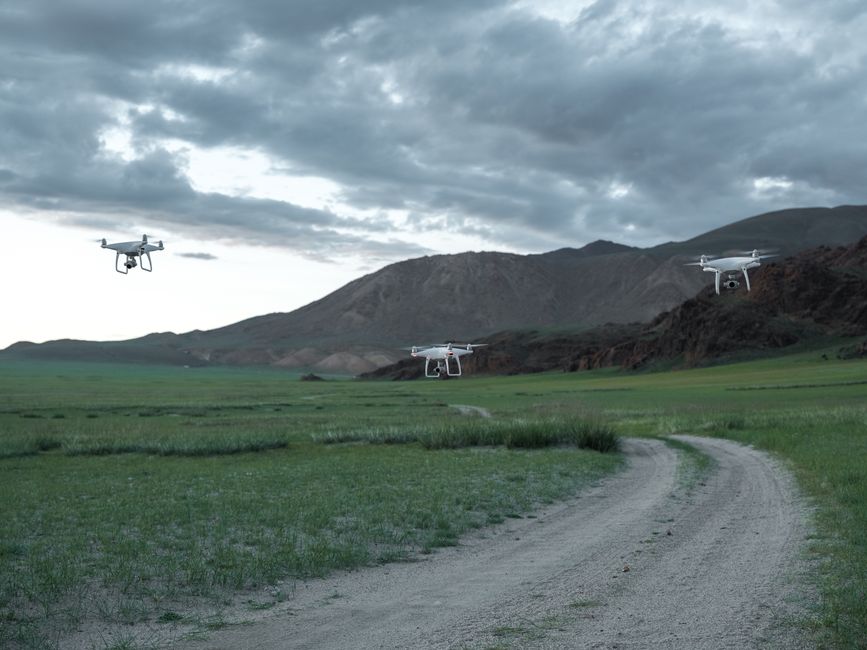
The history of drone technology dates back to military applications, but its evolution has paved the way for civilian uses, particularly in photography. Early drones were bulky and expensive, primarily used for reconnaissance. However, the development of consumer drones has made aerial photography accessible to enthusiasts and professionals alike. Nowadays, drones are lightweight, equipped with advanced stabilization systems, and capable of shooting in 4K resolution.
According to a report by the Federal Aviation Administration (FAA), the number of registered drones in the United States has exceeded 1.7 million, showcasing the growing interest in this medium. This surge is fueled by the increasing affordability and ease of use of consumer drones, allowing more people to explore aerial photography.
As technology continues to evolve, features such as obstacle avoidance, automated flight paths, and real-time video streaming are becoming standard in modern drones. These advancements not only enhance the safety of drone operations but also expand creative possibilities for photographers.
Applications of Aerial Drone Photography
Aerial drone photography is not just a tool for enthusiasts; it has practical applications across various industries. In real estate, for instance, stunning aerial shots can significantly enhance property listings, providing potential buyers with a comprehensive view of the property and its surroundings. Drones allow realtors to showcase large estates, picturesque landscapes, and even nearby amenities from unique angles.
In agriculture, farmers utilize drones to monitor crop health, assess irrigation needs, and optimize yields. By capturing high-resolution images, agricultural professionals can make informed decisions that lead to increased productivity. The ability to analyze land from above provides insights that ground-level observations cannot achieve.
Moreover, aerial drone photography plays a crucial role in environmental monitoring and conservation efforts. Researchers can use drone imagery to track wildlife, assess deforestation, and study ecosystems without disturbing the natural habitat. This non-invasive method of data collection is invaluable for environmental scientists and conservationists.
Getting Started with Aerial Drone Photography
For those interested in venturing into aerial drone photography, the first step is to choose the right drone. There are several factors to consider, including camera quality, flight time, and ease of use. Popular models for beginners include the DJI Mini series, which offers excellent camera capabilities in a compact design.
Once you have chosen your drone, it’s essential to familiarize yourself with local regulations regarding drone flight. Most countries have specific guidelines to ensure safe operation, particularly in populated areas. Registering your drone, understanding no-fly zones, and obtaining necessary permits are crucial steps in becoming a responsible drone pilot.
Aside from technical knowledge, mastering composition and lighting is vital for capturing stunning aerial photographs. Understanding the principles of photography—such as the rule of thirds, leading lines, and the impact of natural light—will enhance your skills. Additionally, post-processing techniques can elevate your images, allowing for adjustments in color, contrast, and sharpness.
Creative Techniques in Aerial Drone Photography
To stand out in the world of aerial photography, photographers can experiment with various creative techniques. One popular method is capturing images during the golden hour, shortly after sunrise or before sunset, when the light is soft and warm. This natural lighting can create breathtaking images with vibrant colors and deep contrasts.
Another technique is to explore different perspectives by flying at various altitudes and angles. Low-flying shots can create a sense of intimacy, while high-altitude captures can provide a grand overview of the landscape. Utilizing unique compositions, such as framing subjects with natural elements, can also add depth and interest to your photographs.
Additionally, incorporating movement into your shots can create dynamic imagery. Techniques such as panning with the drone while capturing images can result in captivating photographs that convey a sense of motion. This approach can be particularly effective in capturing events or landscapes that are full of activity.
The Future of Aerial Drone Photography
The future of aerial drone photography looks promising as technology continues to advance. Innovations such as artificial intelligence are being integrated into drones, allowing for automated editing and enhanced flight capabilities. As AI develops, drones may be able to recognize optimal shooting conditions and automatically adjust settings for the best results.
Furthermore, the rise of social media platforms has fueled the demand for high-quality aerial imagery, prompting photographers to push their creative boundaries. As more individuals and businesses recognize the value of unique perspectives, the market for aerial drone photography will likely continue to grow.
For those looking to explore this vibrant field, resources such as online courses, workshops, and communities can provide valuable knowledge and support. Joining local drone clubs or online forums can also help aspiring photographers connect with like-minded individuals and share tips and experiences.
Conclusion
Aerial drone photography offers a unique lens through which to view the world, combining art and technology in exciting ways. Whether for personal enjoyment or professional applications, mastering this craft can lead to stunning results and endless creative possibilities. As technology continues to evolve and accessibility increases, the sky is truly the limit for those venturing into the realm of aerial photography. For those seeking expert guidance, companies specializing in aerial drone photography can provide valuable services and insights to enhance your journey.