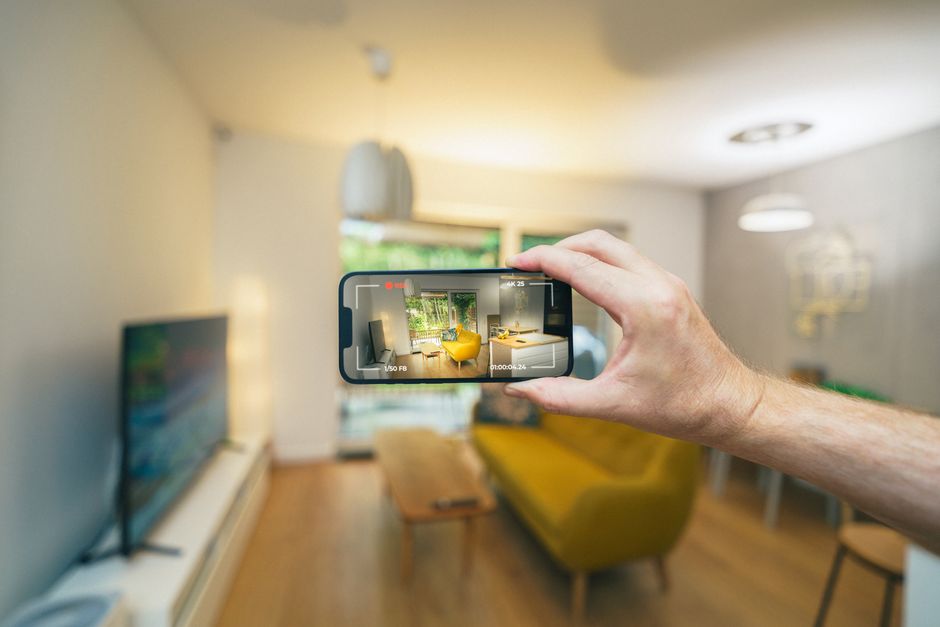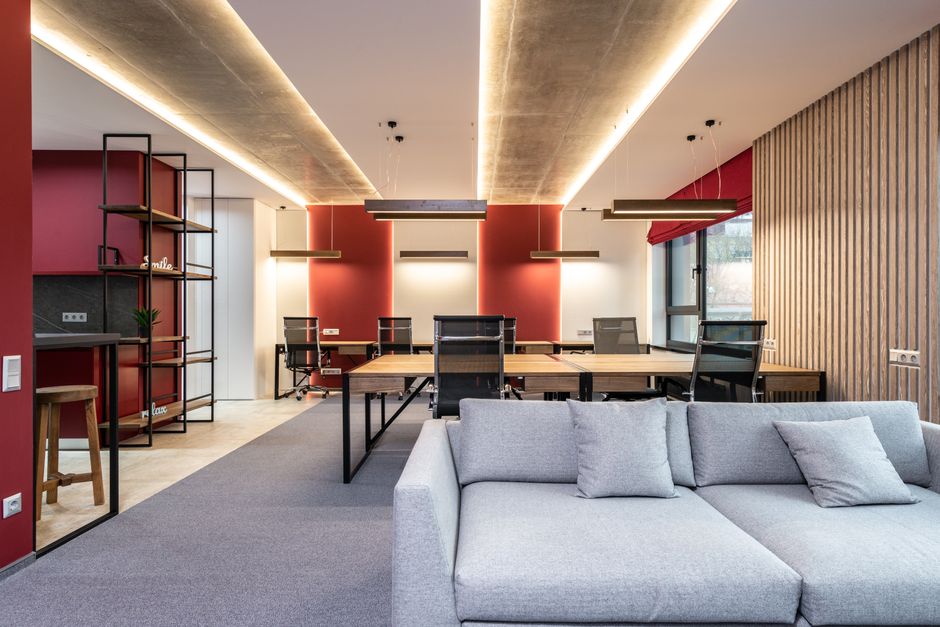

In today’s digital age, virtual tour photography has emerged as a revolutionary tool for showcasing spaces in an immersive way. Whether it’s for real estate, tourism, or educational purposes, virtual tours offer an engaging alternative to traditional photography. This article will delve into the various aspects of virtual tour photography, exploring its benefits, technology, and best practices for creating stunning visual experiences.
What is Virtual Tour Photography?
Virtual tour photography involves creating a 360-degree interactive view of a physical space, allowing viewers to explore and navigate through it as if they were actually there. This technology combines panoramic photography with advanced software to create a seamless experience. The result is a captivating visual representation that can be easily shared across platforms.
Unlike standard photographs, virtual tours allow viewers to control their perspective, making it a powerful tool for marketing and engagement. For example, real estate agents can provide potential buyers with a comprehensive view of a property, increasing interest and reducing the need for in-person visits.
The Technology Behind Virtual Tours
Creating a virtual tour requires specialized equipment and software. High-resolution cameras capable of capturing 360-degree images are essential. These cameras can range from professional-grade devices to more accessible models designed for consumer use. Additionally, software like Matterport or Pano2VR is often used to stitch images together and create interactive elements.
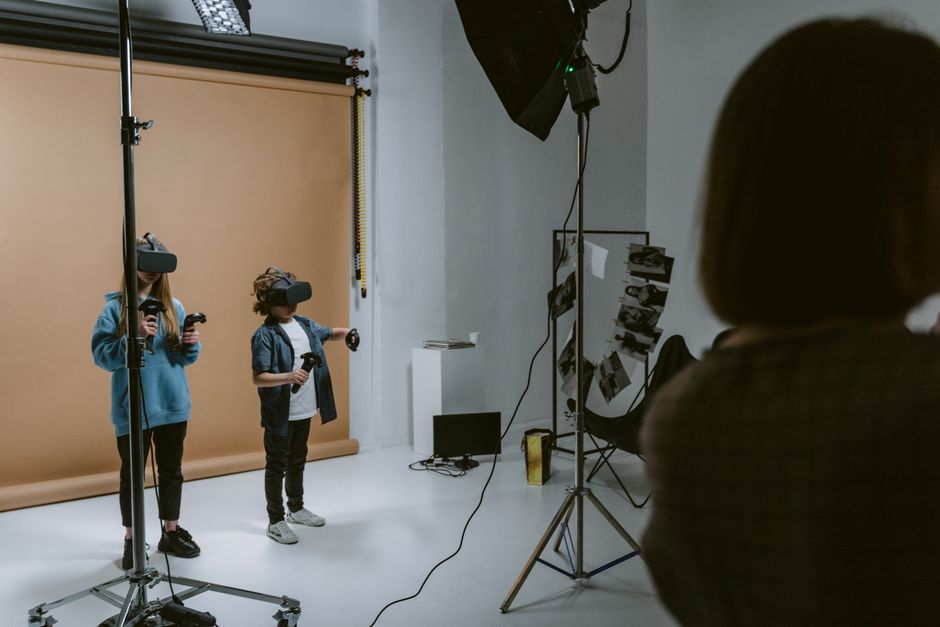
One of the most significant advancements in virtual tour photography is the integration of virtual reality (VR). With VR headsets, users can experience a space in an even more immersive way, enhancing the overall experience. This technology is particularly beneficial in industries such as real estate, where buyers can walk through homes without leaving their own.
Benefits of Virtual Tour Photography
The benefits of virtual tour photography are numerous. First and foremost, it enhances user engagement. Studies have shown that listings with virtual tours receive 95% more inquiries than those without. This increased interaction can lead to higher conversion rates, making virtual tours a valuable asset for businesses.
Furthermore, virtual tours can save time and resources. In real estate, for instance, agents can filter out uninterested buyers by allowing them to explore properties virtually before scheduling in-person showings. This not only saves time for agents but also provides a more efficient experience for potential buyers.
Another key advantage is accessibility. Virtual tours can be accessed remotely, making it possible for users from different geographical locations to engage with the content. This is particularly useful for tourism-related businesses seeking to attract international visitors or for educational institutions aiming to reach remote learners.
Best Practices for Creating Virtual Tours
To create effective virtual tours, it’s essential to follow best practices that enhance the viewing experience. First, ensure high-quality images. Blurry or poorly lit photos can detract from the overall impact of the tour. Using a tripod and professional lighting can significantly improve image quality.
Next, consider the layout of the tour. Organize the space logically, allowing users to navigate seamlessly from one area to another. Adding hotspots—interactive elements that provide additional information or images—can also enhance the experience. For instance, in a museum tour, hotspots can offer insights into specific exhibits.
Finally, promoting the virtual tour is crucial for visibility. Share it on social media platforms, embed it on websites, and utilize SEO strategies to ensure it reaches the target audience. Engaging visuals paired with strategic marketing can amplify the impact of virtual tour photography.
Future Trends in Virtual Tour Photography
The future of virtual tour photography looks promising, with continuous advancements in technology. Innovations such as AI-driven image processing and enhanced VR experiences are on the horizon. These developments will likely lead to even more realistic and interactive tours, pushing the boundaries of what virtual experiences can offer.
Moreover, the increasing demand for virtual content, especially in the wake of global events that have limited travel and in-person interactions, suggests that virtual tours will become even more integral to various industries. Businesses that adapt to this trend will likely see significant benefits in engagement and customer satisfaction.
As virtual tour photography evolves, staying updated on the latest technologies and trends will be crucial for those looking to leverage this powerful tool. Whether for real estate, tourism, or education, the ability to create immersive experiences will set businesses apart in an increasingly competitive landscape.
Conclusion
In conclusion, virtual tour photography is transforming the way we experience spaces. From enhancing user engagement to providing accessibility, the benefits are undeniable. By understanding the technology behind virtual tours, embracing best practices, and keeping an eye on future trends, businesses can effectively utilize this medium to captivate their audience. Whether you’re a real estate agent, a business owner, or an educator, incorporating virtual tour photography into your strategy can significantly enhance your outreach and engagement.