
The rise of technology has transformed various industries, and photography is no exception. Among the most innovative advancements in this field is virtual tour photography, which offers an immersive experience that traditional photography cannot match. This technique allows viewers to navigate spaces as if they were physically present, making it especially valuable for real estate, tourism, and educational purposes. This article delves into the intricacies of virtual tour photography, its applications, and the future it holds.
Understanding Virtual Tour Photography
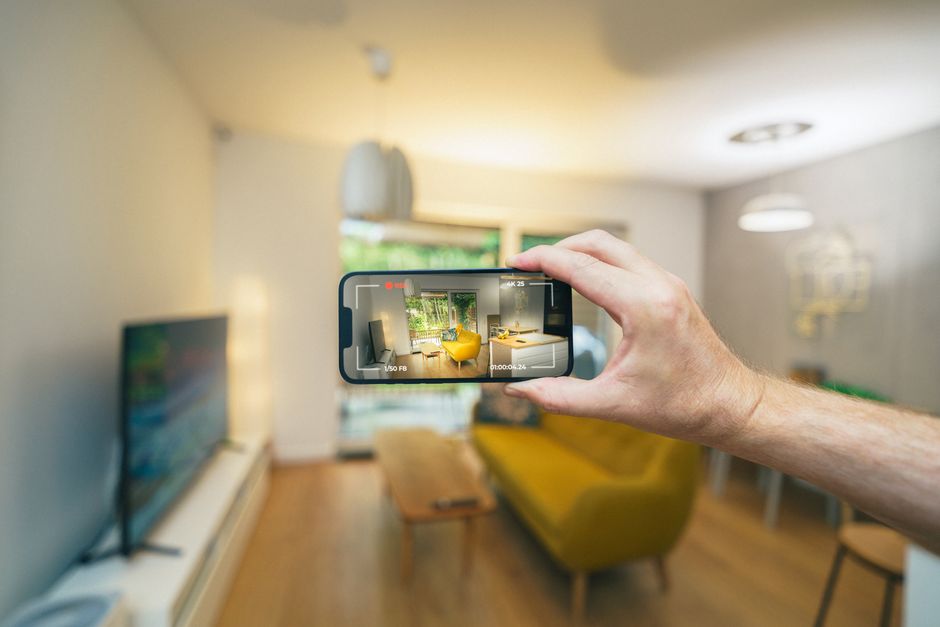
Virtual tour photography is a specialized type of photography that combines high-resolution images and 360-degree panoramas to create an interactive experience. Unlike standard photography, which captures a single moment in time, virtual tours enable users to explore environments from various angles and perspectives. This technology relies on a series of images stitched together to form a cohesive view, often enhanced with features like clickable hotspots, informational overlays, and even audio elements.
The equipment used in virtual tour photography typically includes advanced cameras capable of capturing wide-angle shots, as well as specialized software for image stitching and editing. For instance, cameras like the Ricoh Theta Z1 or the Insta360 One X2 are popular choices among professionals for their ability to capture high-quality, 360-degree images.
Moreover, the process of creating a virtual tour involves meticulous planning and skill. Photographers must consider lighting, angles, and the overall composition of each shot to ensure a seamless experience. The final product is not just a collection of images but a carefully crafted narrative that guides the viewer through a space.
Applications in Various Industries
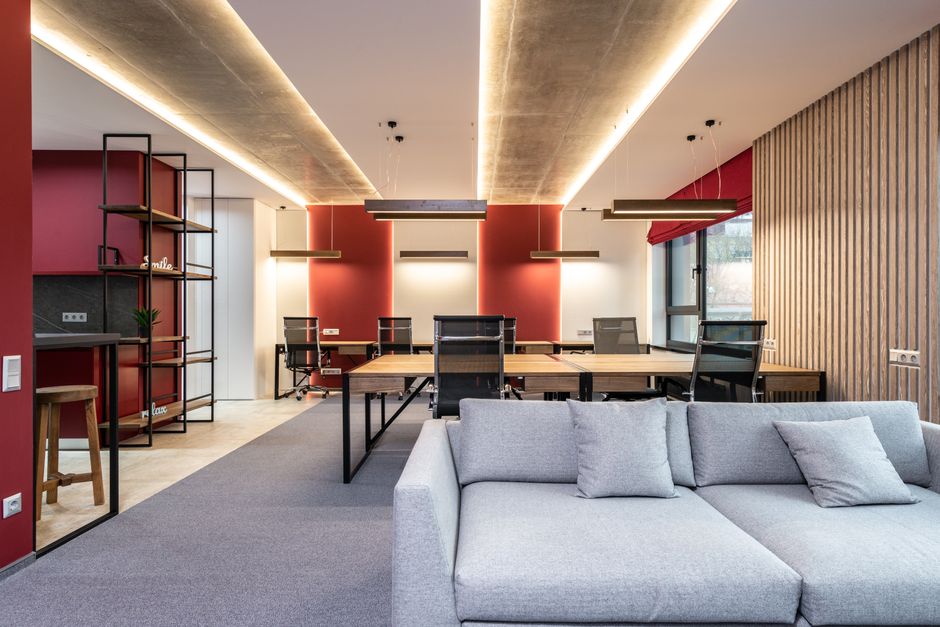
One of the primary sectors benefiting from virtual tour photography is real estate. Listings featuring virtual tours attract more interest and engagement compared to those with standard photos. According to a study by the National Association of Realtors, properties with virtual tours receive 87% more inquiries than those without. This statistic underscores the importance of incorporating virtual tours into marketing strategies for real estate agents and agencies.
In the tourism industry, virtual tour photography offers a unique way for travelers to explore destinations before visiting. Hotels, museums, and attractions can provide potential visitors with a realistic preview of what to expect, thereby enhancing the likelihood of bookings. For example, a virtual tour of a hotel can showcase amenities, room layouts, and surrounding attractions, helping travelers make informed decisions.
Additionally, educational institutions are increasingly using virtual tours to enhance the learning experience. Universities and schools can create virtual campuses, allowing prospective students to explore facilities, classrooms, and social areas remotely. This approach not only saves time for both students and institutions but also broadens accessibility for those who may not be able to visit in person.
Technical Aspects of Creating Virtual Tours
The creation of virtual tour photography involves several technical steps. First and foremost, it requires the selection of the right equipment. A high-quality camera capable of shooting 360-degree images is essential, along with a tripod for stability. Many photographers also use additional tools such as drones to capture aerial views of properties or locations.
Once the images are captured, the next step is stitching them together using specialized software. Programs like Adobe Photoshop, PTGui, or Kolor Autopano are popular in the industry for this purpose. These tools help align the images and blend them seamlessly, creating a cohesive virtual environment.
In addition to stitching, adding interactive elements is crucial for enhancing user experience. This can include hotspots that provide more information about specific areas, embedded videos, or even virtual guides that narrate the tour. The goal is to create an engaging experience that keeps viewers interested and encourages them to explore further.
The Future of Virtual Tour Photography
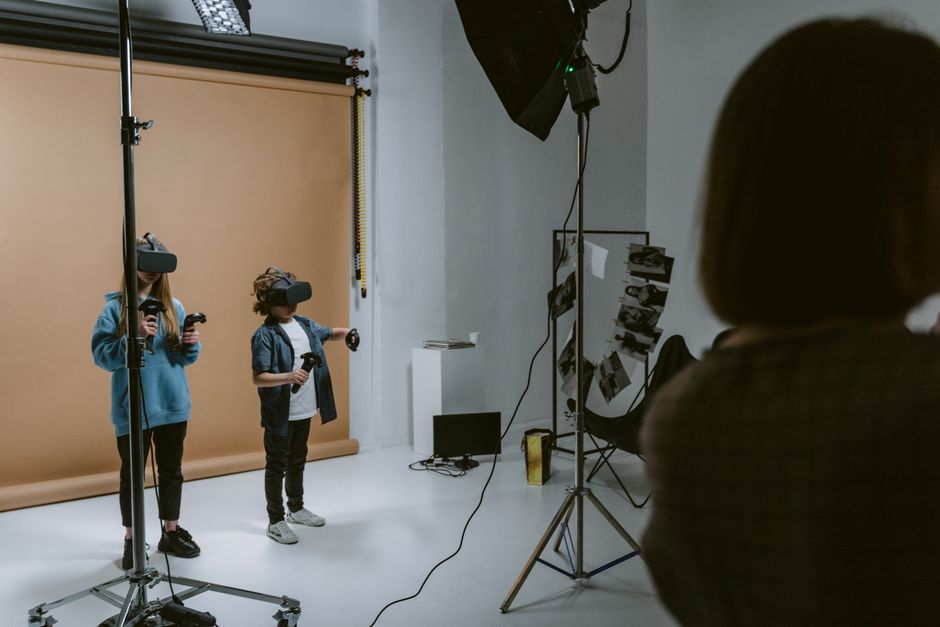
The future of virtual tour photography looks promising as technology continues to evolve. With advancements in virtual reality (VR) and augmented reality (AR), the potential for immersive experiences is expanding. For instance, integrating VR headsets with virtual tours can provide users with an even more realistic sensation of being present in a space.
Furthermore, the incorporation of artificial intelligence (AI) can enhance personalization within virtual tours. AI algorithms can analyze user behavior and preferences, tailoring the experience to meet individual needs. This could lead to more engaging and relevant tours, ultimately increasing user satisfaction.
As industries continue to recognize the value of virtual tour photography, we can expect its application to grow. From real estate to education and beyond, virtual tours are set to become a standard tool for marketing and engagement. Businesses that adopt this technology early will likely see significant advantages in reaching their audiences effectively.
Conclusion
Virtual tour photography represents a significant shift in how we capture and experience spaces. Its ability to provide immersive, interactive experiences makes it a powerful tool in various industries. As technology advances, we can anticipate even more innovations that will enhance virtual tours, making them an integral part of marketing and engagement strategies. For those looking to stay ahead in their respective fields, investing in virtual tour photography is not just an option; it’s becoming a necessity.