

In today’s fast-paced business environment, the threat of fraud is ever-present, especially in the realm of financial transactions. One of the most common forms of fraud that businesses face is fraudulent invoicing. As companies increasingly rely on digital processes, it becomes crucial to identify and combat these deceptive practices. In this article, we will explore effective strategies for detecting fraudulent invoices, ensuring that your business remains secure and financially sound.
Understanding the Types of Fraudulent Invoices
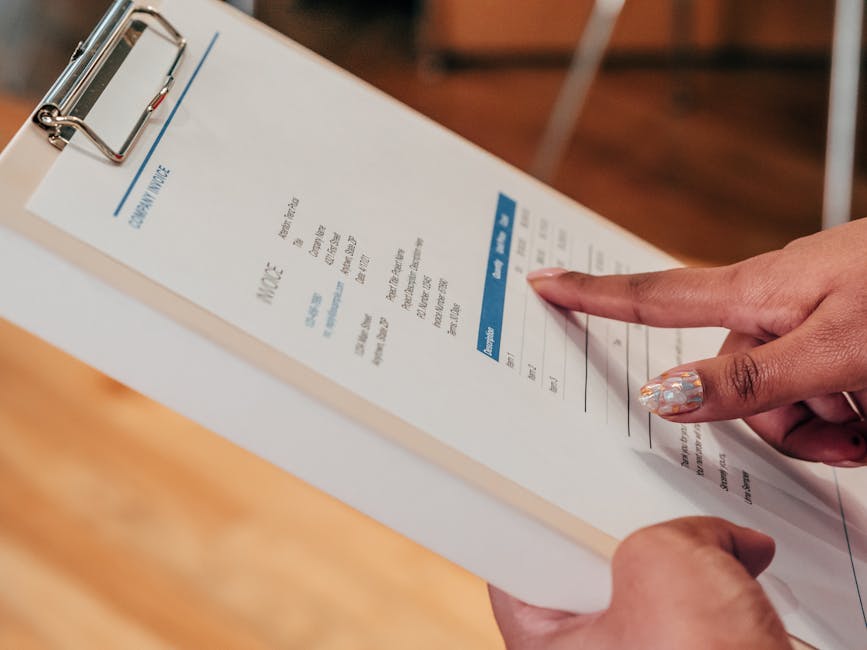
Fraudulent invoices can take several forms, each designed to exploit vulnerabilities in the accounting process. Common types include fake invoices, inflated invoices, and invoices for services never rendered. For instance, a scammer might send a fake invoice for office supplies that were never delivered. According to a study conducted by the Association of Certified Fraud Examiners, organizations lose an average of 5% of their revenue to fraud each year, underscoring the importance of vigilance in this area.
Another common scheme involves invoice inflation, where the amount billed is higher than what was agreed upon. This type of fraud can often go unnoticed if regular checks are not performed. Businesses must be aware of these tactics to implement robust detection mechanisms.
Implementing Robust Invoice Verification Processes
To effectively detect fraudulent invoices, it is essential to establish rigorous verification processes. One approach is to implement a three-way match system, which involves comparing the invoice with the purchase order and the receiving report. This method ensures that only accurate and legitimate transactions are processed.
Moreover, automating the invoicing process can significantly reduce human error and the risk of fraud. Tools that use machine learning and artificial intelligence can analyze patterns in invoice submissions, flagging any discrepancies for further investigation. This technology can serve as a first line of defense against fraudulent activity.
Training Employees to Recognize Red Flags
Human oversight remains a critical component in detecting fraud. Training employees to recognize the red flags of fraudulent invoices can help prevent losses. Employees should be educated about the common characteristics of fraudulent invoices, such as poor formatting, lack of detailed descriptions, or unusual vendor names.
Regular training sessions can empower employees to question suspicious invoices and report them appropriately. A culture of transparency and communication can lead to early detection of fraudulent activities, thus safeguarding the company’s assets.
Utilizing Technology for Fraud Detection
In the digital age, leveraging technology is paramount in the fight against invoice fraud. Software solutions that provide fraud detection capabilities can analyze vast amounts of data to identify anomalies. For example, implementing a system that flags invoices with unusual payment patterns or those from unrecognized vendors can be invaluable.
Additionally, businesses can utilize blockchain technology to enhance transparency in transactions. Blockchain provides a secure and immutable record of all transactions, making it significantly harder for fraudsters to manipulate invoice data. Such technological advancements can serve as powerful allies in the quest to detect fraudulent invoices.
Establishing a Fraud Response Plan
Despite the best preventive measures, some fraudulent invoices may still slip through the cracks. Therefore, it’s crucial to have a well-defined fraud response plan in place. This plan should outline the steps to be taken if fraud is detected, including notifying relevant authorities and conducting a thorough investigation.
Regular audits and reviews of the invoicing process can help identify weaknesses in the system. A proactive approach to fraud prevention not only protects a company’s financial interests but also enhances its reputation in the marketplace.
For businesses looking to bolster their fraud detection capabilities further, it may be beneficial to consult with professionals who specialize in forensic accounting to review existing processes and suggest improvements. These experts can provide insights into the latest trends in fraud and recommend best practices tailored to the specific needs of the organization.
Conclusion
Detecting fraudulent invoices is a multifaceted challenge that requires a proactive and informed approach. By understanding the types of fraud, implementing robust verification processes, training employees, utilizing advanced technology, and establishing a comprehensive fraud response plan, businesses can significantly reduce their risk of falling victim to these schemes. Ultimately, vigilance and preparation are key to safeguarding your organization against the pervasive threat of invoice fraud. For further insights on how to detect fraud invoice, explore available resources and tools that can aid in this critical effort.