
As the global population continues to grow and climate change poses new challenges, the demand for efficient irrigation systems has never been more critical. These systems are essential for sustainable agriculture, enabling farmers to optimize water usage while maximizing crop yield. In this article, we will explore the latest innovations in irrigation technology, examine their benefits, and discuss the future of irrigation systems in modern agriculture.
Understanding Irrigation Systems
Irrigation systems are designed to deliver water to crops in a controlled manner. There are several types of irrigation methods, including surface irrigation, drip irrigation, and sprinkler systems. Each method has its unique advantages and disadvantages, making it essential for farmers to choose the right system based on their specific needs.
Surface irrigation is one of the oldest methods, where water is applied directly to the soil surface and allowed to flow over the field. While this method is simple and low-cost, it can lead to water wastage and soil erosion if not managed properly. On the other hand, drip irrigation delivers water directly to the root zone of plants, minimizing evaporation and runoff. This method is often considered the most efficient, especially in arid regions.
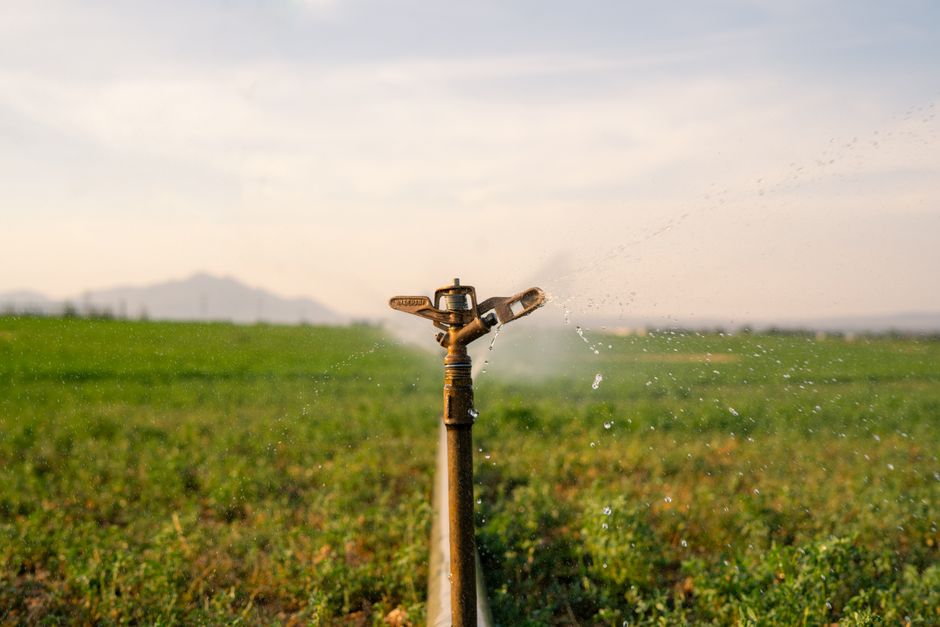
Furthermore, sprinkler systems use a network of pipes to distribute water over crops, simulating natural rainfall. This method is versatile and can be used for various types of crops, but it may require more energy and water compared to drip systems.
Innovations in Irrigation Technology
Recent advancements in technology have significantly improved the efficiency of irrigation systems. One notable trend is the integration of smart technology, which allows farmers to monitor and control their irrigation systems remotely. Smart irrigation systems utilize sensors and data analytics to determine the optimal amount of water needed for crops based on real-time weather conditions and soil moisture levels.
Moreover, the use of drones in agriculture has gained traction. Drones equipped with imaging technology can provide farmers with detailed insights into crop health and soil conditions. This information can then be used to adjust irrigation schedules and ensure that crops receive the right amount of water.
Additionally, the development of automated irrigation systems has made it easier for farmers to manage their water resources. These systems can be programmed to operate at specific times or in response to soil moisture levels, reducing water waste and labor costs.
The Role of Sustainability in Irrigation
As awareness of environmental issues grows, sustainable irrigation practices are becoming increasingly important. Farmers are now adopting techniques that conserve water and reduce environmental impact, such as rainwater harvesting and the use of reclaimed water for irrigation.
Rainwater harvesting involves collecting and storing rainwater for later use in irrigation. This method not only reduces the reliance on groundwater but also helps manage stormwater runoff. Similarly, using reclaimed water, treated wastewater that is safe for agricultural use, can alleviate pressure on freshwater resources.
Furthermore, implementing cover crops and crop rotation can enhance soil health and reduce the need for irrigation. These practices improve soil structure, increase organic matter, and promote water retention, allowing farmers to use less water overall.
Challenges Facing Irrigation Systems
Despite the advancements and benefits of modern irrigation systems, several challenges persist. Water scarcity is a significant issue in many regions, and competition for water resources is intensifying. As agriculture accounts for a substantial portion of global water use, finding ways to optimize irrigation practices is crucial.
Additionally, the initial cost of implementing advanced irrigation systems can be a barrier for some farmers. While these systems may lead to long-term savings, the upfront investment can be daunting, especially for small-scale farmers.
Moreover, maintaining and managing irrigation systems requires knowledge and expertise. Farmers must stay updated on the latest technologies and practices to ensure optimal performance and efficiency.
The Future of Irrigation Systems
Looking ahead, the future of irrigation systems will likely be shaped by continued technological advancements and a growing focus on sustainability. Innovations such as precision agriculture, which combines various technologies to optimize every aspect of farming, will play a crucial role in enhancing irrigation practices.
Furthermore, collaboration between farmers, researchers, and policymakers will be essential to address the challenges facing irrigation systems. By sharing knowledge and resources, stakeholders can develop solutions that promote sustainable water use and food security.
As we navigate the complexities of the 21st century, the importance of efficient irrigation systems cannot be overstated. By embracing innovation and prioritizing sustainability, we can ensure that agricultural practices contribute positively to the environment and society as a whole. For more detailed insights on various types of irrigation systems, you can refer to studies available on irrigation systems.