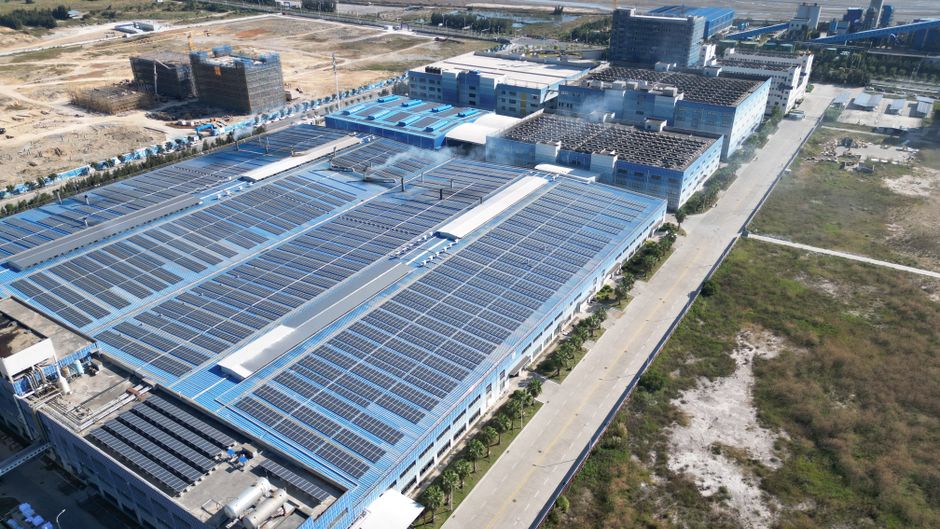

As the world increasingly shifts towards renewable energy sources, the importance of efficient energy storage systems has never been more pronounced. These systems play a critical role in balancing supply and demand, particularly with the intermittent nature of solar and wind energy. In this article, we will explore the various types of energy storage systems, their benefits, recent innovations, and the future landscape of energy storage technology.
Understanding Energy Storage Systems

Energy storage systems (ESS) are technologies that store energy for later use, allowing for greater flexibility and efficiency in energy consumption. These systems encompass a variety of technologies, including batteries, flywheels, pumped hydro storage, and compressed air energy storage. Each type has its unique advantages, depending on the application and specific needs.
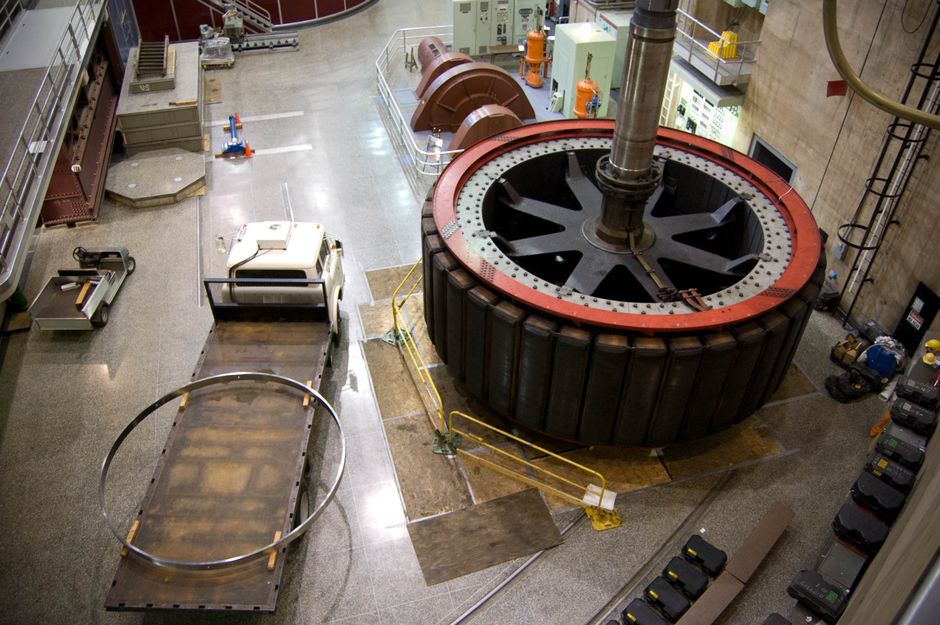
For instance, lithium-ion batteries are widely used in residential and commercial applications due to their high energy density and decreasing costs. On the other hand, pumped hydro storage, which utilizes gravitational potential energy, remains a dominant player in large-scale energy storage, accounting for nearly 95% of global energy storage capacity.
The Role of Energy Storage in Renewable Energy Integration
The integration of renewable energy sources into existing power grids presents numerous challenges. One of the most significant is the mismatch between energy generation and consumption. Energy storage systems provide a solution by capturing excess energy generated during peak production times and releasing it during periods of high demand.
Recent studies show that incorporating energy storage systems into the grid can significantly reduce the need for fossil fuel-based power plants, leading to a decrease in greenhouse gas emissions. For example, a study conducted by the National Renewable Energy Laboratory found that a 30% penetration of solar energy could be achieved with an adequate energy storage infrastructure, reducing reliance on traditional energy sources.
Innovations in Energy Storage Technologies
In recent years, there have been remarkable advancements in energy storage technologies. Research into new battery chemistries, such as solid-state batteries, promises to enhance safety, energy density, and lifespan. Furthermore, innovations in flow batteries are making them more viable for large-scale energy storage applications.
One notable example is the development of the Vanadium Redox Flow Battery (VRFB), which offers a longer cycle life and the ability to be scaled easily for large installations. Companies are increasingly investing in these technologies, anticipating a surge in demand as the world transitions to renewable energy sources.
The Economic Impact of Energy Storage Systems
Investing in energy storage systems not only addresses environmental concerns but also presents significant economic opportunities. As the demand for clean energy solutions rises, the energy storage market is projected to grow exponentially. According to a report by BloombergNEF, the global energy storage market could reach $620 billion by 2040.
Additionally, energy storage systems can provide economic benefits to consumers. By utilizing stored energy during peak pricing periods, consumers can reduce their electricity bills. This financial incentive is driving more households and businesses to adopt energy storage solutions, further propelling market growth.
Challenges and Future Outlook
Despite the promising advancements, several challenges remain in the energy storage landscape. The initial capital costs of energy storage systems can be high, deterring widespread adoption. Moreover, regulatory frameworks and policies need to evolve to support the integration of these systems into existing energy markets.
Looking forward, the future of energy storage systems appears bright. As technology continues to advance and costs decrease, energy storage is poised to play a pivotal role in the transition to a sustainable energy future. Innovations in energy storage will not only enhance grid stability but will also empower consumers to take control of their energy use.
In conclusion, energy storage systems are essential for a sustainable energy future. By investing in and developing these technologies, we can harness the full potential of renewable energy sources and create a more resilient and efficient power grid. For more in-depth information on energy storage solutions, you can explore energy storage system.