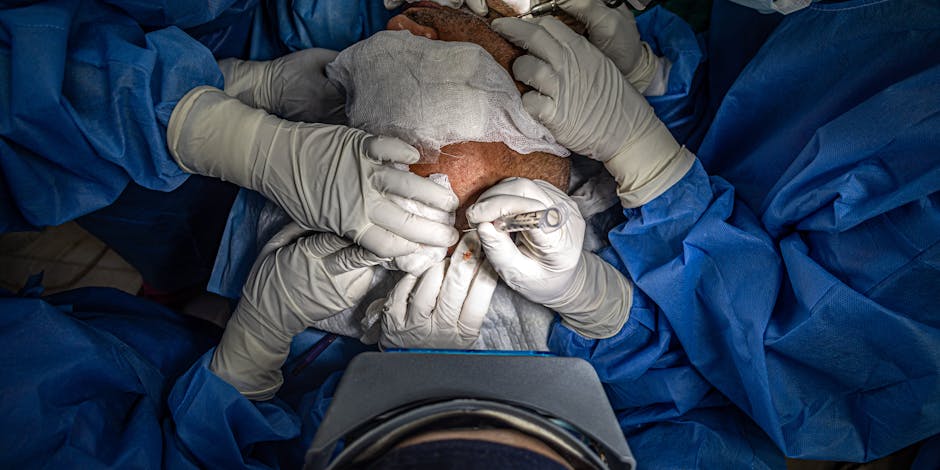

Cardiopulmonary Resuscitation (CPR) is a life-saving technique that can be crucial in emergencies where someone’s breathing or heartbeat has stopped. Understanding and mastering CPR can make a significant difference in survival rates for cardiac arrest victims. This article delves into the importance of CPR, the techniques involved, and the role it plays in emergency situations.
The Importance of CPR
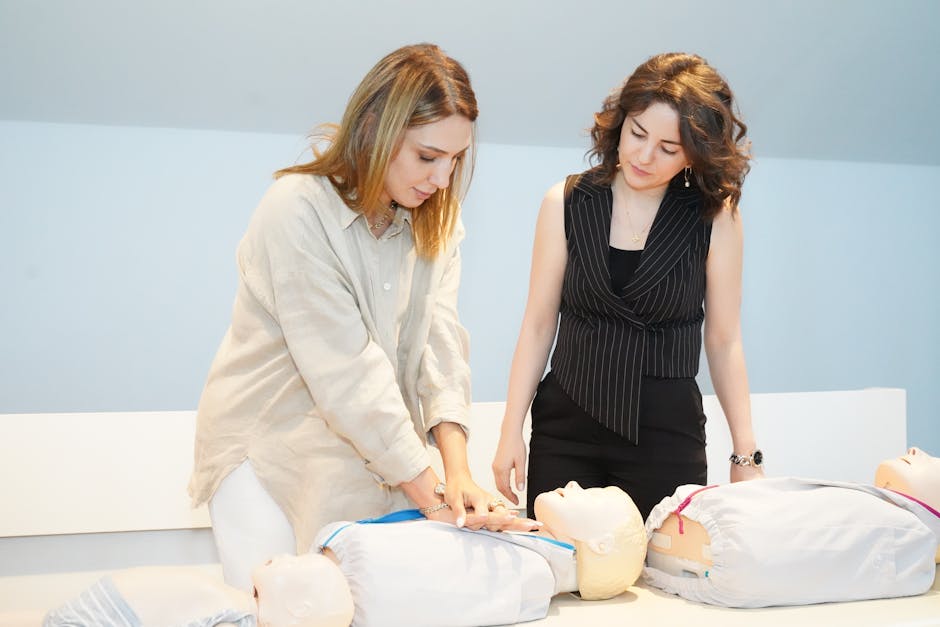
Every year, hundreds of thousands of people experience cardiac arrests outside of hospitals. According to the American Heart Association, immediate CPR can double or triple a victim’s chance of survival. Despite its importance, many bystanders hesitate to perform CPR due to a lack of knowledge or fear of causing harm. This hesitation can prove fatal. By educating ourselves and our communities about CPR, we can empower individuals to act swiftly in emergencies.
Furthermore, studies show that CPR training increases the likelihood of bystanders intervening during a cardiac arrest. In communities where CPR training is prevalent, survival rates significantly improve. This highlights the need for widespread access to CPR courses and the importance of continuous training for both laypersons and healthcare professionals.
Understanding the CPR Technique
CPR consists of two main components: chest compressions and rescue breaths. The current guidelines recommend focusing on chest compressions, as they are crucial for maintaining blood flow to vital organs. Compressions should be performed at a rate of 100 to 120 per minute and at a depth of about two inches for adults.
In addition to chest compressions, rescue breaths can be administered, especially in cases involving children or drowning victims. The proper technique involves tilting the victim’s head back slightly to open the airway, pinching the nose, and giving two breaths, each lasting about one second. However, in situations where an individual is untrained or uncomfortable providing rescue breaths, hands-only CPR is highly effective.
How to Get Trained in CPR
Obtaining CPR certification is essential for anyone interested in being prepared for emergencies. Many organizations offer training courses, ranging from basic to advanced levels. These courses typically teach participants how to recognize cardiac arrest, perform CPR, and use automated external defibrillators (AEDs).
For those located in Stockholm, a variety of options are available, including specialized courses designed to cater to different skill levels. Participating in a course such as HLR kurs Stockholm can provide attendees with hands-on experience and the confidence needed to act in an emergency.
CPR in Different Situations
CPR is not only relevant in cases of cardiac arrest but also in various emergency scenarios. For instance, drowning incidents, choking, and severe allergic reactions may require immediate CPR intervention. Each situation comes with its own set of challenges, and understanding how to adapt CPR techniques accordingly can be crucial.
In the case of drowning, for example, rescuers should focus on clearing the airway and providing rescue breaths as a priority. Conversely, during choking incidents, abdominal thrusts may be necessary before administering CPR. It is vital to recognize the signs and symptoms of each scenario to respond appropriately and effectively.
Staying Informed and Prepared
CPR guidelines and techniques may evolve over time as new research emerges. Therefore, staying informed through regular training and refreshers is important. Many organizations recommend retaking CPR courses every two years to ensure that skills remain sharp and current.
Additionally, communities can foster a culture of preparedness by hosting public awareness campaigns, free workshops, and community CPR training events. Engaging local governments, schools, and businesses in these efforts can help increase the number of trained individuals in the community, ultimately leading to higher survival rates during emergencies.
Conclusion
In conclusion, mastering CPR is an invaluable skill that can mean the difference between life and death in emergency situations. By understanding the importance of CPR, familiarizing oneself with the techniques, and pursuing training, individuals can be better prepared to respond when every second counts. As we continue to educate ourselves and others, we contribute to a safer community where more lives can be saved.