

In recent years, hair transplants have gained popularity as a viable solution for hair loss and thinning. This procedure not only boosts confidence but also offers a long-lasting solution for those struggling with baldness. With advancements in technology and techniques, more individuals are considering this option. In this guide, we will explore the various aspects of hair transplants, including methods, benefits, risks, and what to expect during recovery.
Understanding Hair Transplant Techniques
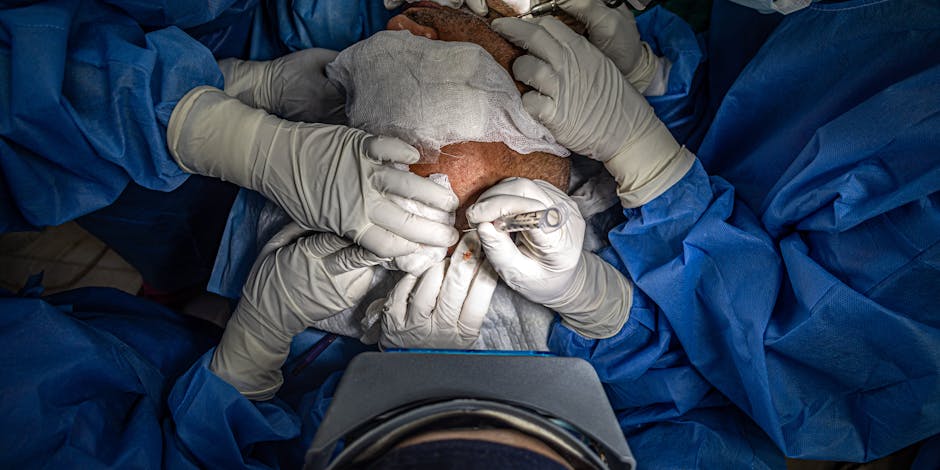
Hair transplant procedures primarily fall into two categories: Follicular Unit Transplantation (FUT) and Follicular Unit Extraction (FUE). FUT involves removing a strip of skin from the back of the head, which is then dissected into individual follicular units. This method is suitable for those needing a larger number of grafts and can yield a higher hair density in a single session.
On the other hand, FUE is a less invasive technique where individual hair follicles are extracted directly from the scalp using a specialized tool. This method leaves minimal scarring and allows for a quicker recovery time. Many patients prefer FUE due to its less invasive nature and the fact that it doesn’t require stitches.
Benefits of Hair Transplants
One of the most significant benefits of hair transplants is the natural appearance of the results. When performed by a skilled surgeon, the transplanted hair blends seamlessly with the existing hair, making it difficult for others to notice that a procedure has taken place. Additionally, hair transplants can be a permanent solution to hair loss, as the transplanted hair follicles are typically resistant to the hormone responsible for hair thinning.
Moreover, hair transplants can significantly improve self-esteem and confidence. Many individuals report feeling more attractive and socially confident post-procedure. Studies show that improved appearance can lead to better personal and professional opportunities, reinforcing the psychological benefits of undergoing a hair transplant.
Risks and Considerations
While hair transplants are generally safe, there are potential risks and side effects to consider. These can include infection, scarring, and unnatural-looking hair growth if not executed properly. It is crucial to choose a reputable clinic with experienced surgeons to minimize these risks.
Patients should also consider the financial aspect of hair transplants. The cost can vary widely based on the technique used, the experience of the surgeon, and the geographic location of the clinic. It’s important to weigh the long-term benefits against the initial investment, as many find that the results are worth the expense.
What to Expect During Recovery
Recovery from a hair transplant can vary depending on the technique used and individual healing rates. Generally, patients can expect some swelling, redness, and discomfort in the donor and transplant areas in the initial days following the procedure. Most individuals can return to their regular activities within a week, although strenuous exercise should be avoided for a few weeks.
It is essential to follow post-operative care instructions provided by the surgeon to ensure the best possible results. Patients should avoid sun exposure, refrain from scratching or picking at the transplant sites, and use prescribed medications to aid in recovery.
Exploring Hair Transplant Options Abroad
For those considering hair transplants, traveling abroad can be an appealing option. Countries like Turkey have become renowned for offering high-quality hair transplant services at competitive prices. Many clinics in Turkey attract international patients with their experienced surgeons and advanced technology. For instance, clinics specializing in hair transplant turkey often provide comprehensive packages that include accommodation and transportation, making the process seamless for foreign clients.
Before deciding on international clinics, it’s crucial to conduct thorough research. Reading patient reviews, asking for before-and-after photos, and verifying the clinic’s accreditation can help ensure a positive experience.
Conclusion
Hair transplants present a promising solution for individuals facing hair loss. With various techniques available and numerous benefits, it can significantly enhance one’s quality of life. However, potential patients should carefully consider their options, weigh the risks, and choose a reputable clinic to ensure the best results. Whether opting for a local procedure or considering international options, informed decision-making is key to achieving the desired outcome.