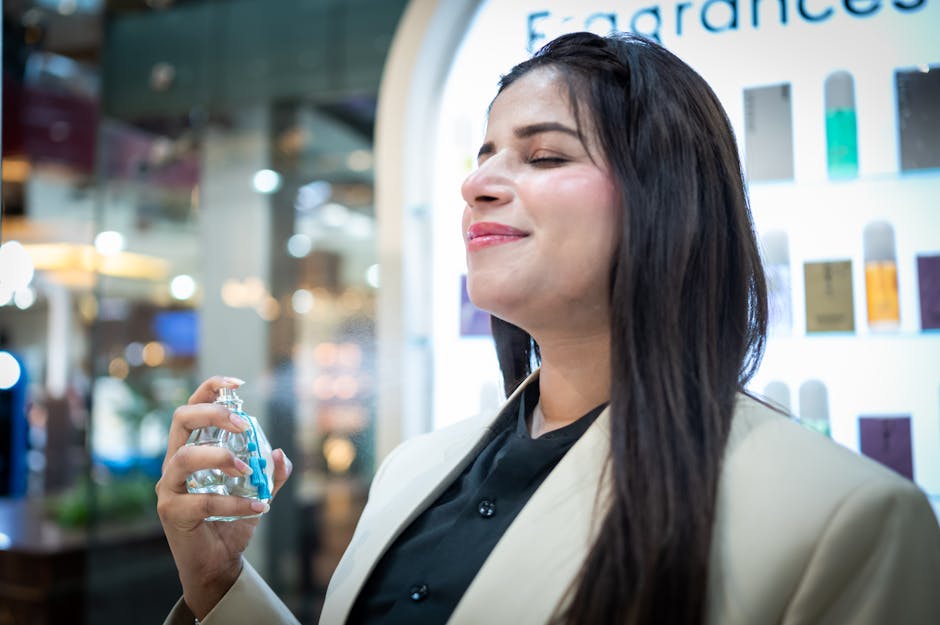

Perfume is not just a fragrance; it is an art form that transcends time and culture. The allure of scent captures our memories, evokes emotions, and defines our identity. From the ancient Egyptians, who used perfume in religious rituals, to modern-day enthusiasts who curate personal collections, the world of perfume is rich and varied. In this article, we will explore the history, composition, and significance of perfume in our lives.
The History of Perfume

Perfume has been a part of human civilization for thousands of years. The earliest records of perfume date back to around 3000 BC in ancient Mesopotamia. The Egyptians took perfume to new heights, using it in religious ceremonies and as a means to honor their gods. They believed that scents could connect them to the divine. Perfume was so valued that it was often used as currency.
In ancient Greece and Rome, perfume became synonymous with luxury and wealth. The Greeks developed complex methods for distilling scents, and the Romans used perfume daily, applying it to their bodies, clothes, and even their food. This widespread use of perfume laid the groundwork for the modern fragrance industry.
During the Middle Ages, the use of perfume declined in Europe due to the rise of religious conservatism, but it flourished in the Middle East. The introduction of new spices and flowers during the Crusades revitalized European interest in scent, leading to the creation of the first modern perfumes in the 17th century. France emerged as the epicenter of perfumery, a status it holds to this day.
The Composition of Perfume
Perfume is a complex blend of aromatic compounds, essential oils, and solvents. It typically consists of three layers known as notes: top, middle, and base. The top notes are the initial scents that are perceived immediately after application, while the middle notes emerge after the top notes dissipate, forming the heart of the fragrance. Finally, the base notes are the lasting scents that provide depth and richness.
The art of perfumery involves balancing these notes to create a harmonious scent. Perfume houses often employ skilled perfumers, known as ‘noses,’ who have the ability to identify and blend various ingredients to achieve a specific fragrance profile. For example, a classic floral scent may combine jasmine, rose, and sandalwood to create a captivating aroma.
In recent years, the demand for niche perfumes has grown, with brands such as Maison Francis Kurkdjian (MFK) leading the way. These brands often focus on quality ingredients and unique scent compositions, catering to consumers seeking individuality in their fragrance choices.
The Cultural Significance of Perfume
Perfume plays a vital role in various cultures around the world. In some societies, it is used as a form of self-expression, while in others, it carries deep spiritual significance. For example, in many Middle Eastern cultures, the use of oud—a resin from the agarwood tree—is revered for its rich, woody scent and is often used in religious and ceremonial contexts.
Moreover, perfume has been instrumental in shaping social interactions. A pleasant scent can enhance one’s personal image, boost confidence, and even influence how others perceive us. Studies have shown that people often associate certain scents with positive memories, making perfume a powerful tool for emotional connection.
Furthermore, the rise of gender-neutral fragrances reflects changing societal norms regarding gender and identity. Many modern perfumes are designed to be worn by anyone, regardless of gender, promoting the idea that scent should be a personal choice rather than a societal expectation.
The Future of Perfume
The future of perfume is likely to be shaped by sustainability and innovation. As consumers become more environmentally conscious, the fragrance industry is responding by exploring eco-friendly practices. This includes sourcing sustainable ingredients, reducing packaging waste, and investing in biodegradable materials.
Additionally, technological advancements are influencing the way perfumes are created and marketed. Virtual reality experiences and AI-driven scent creation are becoming more prevalent, allowing consumers to explore fragrances in unique ways. Brands are also utilizing social media to reach a broader audience, creating personalized experiences that resonate with individual preferences.
As we look ahead, the world of perfume will continue to evolve, embracing both tradition and innovation. The emotional and cultural significance of scent will remain at the forefront, ensuring that perfume continues to play an essential role in our lives.
Conclusion
In conclusion, perfume is a fascinating blend of art, science, and culture. From its rich history to its complex composition and cultural significance, perfume is much more than just a fragrance; it is an expression of identity and a means of connection. As we move into the future, the perfume industry will undoubtedly continue to innovate while honoring the timeless traditions that have shaped it. Whether you are a seasoned fragrance enthusiast or a casual wearer, the enchanting world of perfume offers something for everyone.