

Handmade pizza is not just a meal; it is an experience that combines the love for food with the joy of creativity. The tradition of making pizza by hand has been passed down through generations, allowing cooks to express their individuality through toppings and techniques. In this article, we will delve into the intricacies of crafting the perfect handmade pizza, exploring the ingredients, techniques, and the joy it brings to both the maker and the eater.
The Importance of Quality Ingredients
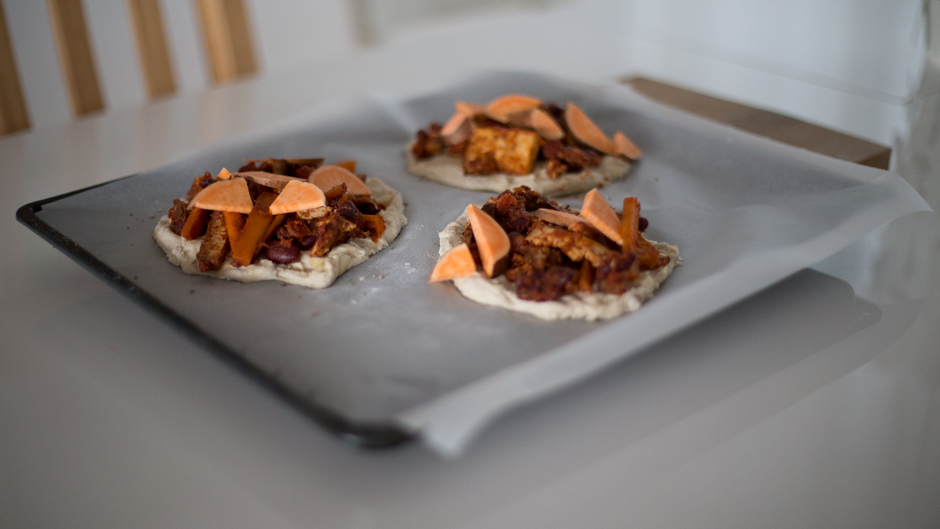
To create a truly exceptional handmade pizza, the foundation begins with quality ingredients. The dough, sauce, cheese, and toppings all play a critical role in the overall flavor and texture of the pizza. For the dough, using high-protein flour can help achieve a chewy crust that is both crispy on the outside and soft on the inside. Many pizza enthusiasts recommend using a traditional Neapolitan flour, which has a high gluten content, making it ideal for pizza making.
The sauce is another essential element; a fresh tomato sauce made from San Marzano tomatoes can elevate the pizza to gourmet status. These tomatoes are known for their sweetness and low acidity, perfect for a rich and balanced sauce. Additionally, incorporating fresh herbs like basil or oregano can enhance the flavor profile.
When it comes to cheese, opting for high-quality mozzarella is crucial. Fresh mozzarella adds a delightful creaminess and authentic Italian flavor, while aged mozzarella provides a sharper taste. Experimenting with different cheeses can also lead to unique flavor combinations that can surprise the palate.
Mastering the Dough: Techniques and Tips
The dough is arguably the most critical component of any handmade pizza. The process begins with mixing flour, water, salt, and yeast. It’s essential to knead the dough properly to develop gluten, which gives the pizza its structure. A common technique is the autolyse method, where flour and water are mixed and allowed to rest before adding salt and yeast.
Once the dough is kneaded, it should be left to rise until it doubles in size. This process, known as fermentation, allows the flavors to develop and the texture to improve. Some pizza makers prefer a slow fermentation process, letting the dough rest in the refrigerator for 24 to 72 hours for deeper flavor.
After the dough has risen, it is time to shape it. Gently stretching the dough by hand rather than using a rolling pin helps maintain the air bubbles, resulting in a lighter crust. Aim for a thin center and slightly thicker edges for a classic Neapolitan-style pizza.
Choosing the Right Toppings
Toppings are where creativity shines in handmade pizza making. While classic combinations like margherita (tomato, mozzarella, and basil) are always a hit, exploring new toppings can lead to exciting discoveries. Consider using seasonal vegetables, artisanal cured meats, or unique cheeses to create a personalized masterpiece.
One popular trend is the use of non-traditional toppings, such as figs, prosciutto, or even truffle oil, to elevate the pizza experience. Pairing flavors thoughtfully can create a harmonious balance that tantalizes the taste buds. Additionally, while it may be tempting to pile on the toppings, moderation is key to avoid a soggy crust.
Another important aspect is the presentation. Arranging toppings aesthetically not only makes the pizza more appealing but also enhances the dining experience. A sprinkle of fresh herbs or a drizzle of olive oil just before serving can add the finishing touch.
Cooking Techniques: Oven and Beyond
The cooking method can significantly impact the final result of a handmade pizza. Traditional wood-fired ovens reach high temperatures, allowing pizzas to cook in just a few minutes. This method creates a charred crust with a delightful smokiness, which is hard to replicate with a standard home oven.
If you are using a conventional oven, preheat it to the highest temperature possible, ideally around 500°F (260°C). Using a pizza stone can help retain heat and create a crispy crust. Place the stone in the oven while it preheats to ensure it reaches the optimal temperature.
For those who wish to experiment, a grill can also work well for cooking pizza. The direct heat from the grill can replicate the effects of a wood-fired oven, producing a unique flavor and texture. Pizzas can be placed directly on the grill grates or on a pizza stone designed for grilling.
Sharing the Experience
Handmade pizza is not just about the food; it is about the experience of sharing with family and friends. Hosting a pizza night where everyone can customize their own pizza is a fun way to engage guests and create lasting memories. Providing a variety of toppings and sauces allows for a personalized touch that can cater to different tastes.
Furthermore, handmade pizza can be a conversation starter. Sharing stories about the origins of the ingredients or the techniques used can enhance the meal and make it more meaningful. The act of making and enjoying pizza together fosters a sense of community and connection.
In addition, many people find joy in the process of creating pizza from scratch. It can be a therapeutic activity that allows for creativity and self-expression. Whether you are a seasoned chef or a novice, the journey of making handmade pizza is rewarding.
Conclusion
Crafting handmade pizza is an art form that combines quality ingredients, skillful techniques, and creative expression. By understanding the importance of each element—from the dough to the toppings to the cooking method—anyone can create a delicious pizza that reflects their unique taste. So gather your ingredients, invite some friends, and embark on a culinary adventure that promises not only tasty results but also cherished memories.
For those interested in further exploring the art of pizza making, consider checking out LUXURY 777 for inspiration and guidance.