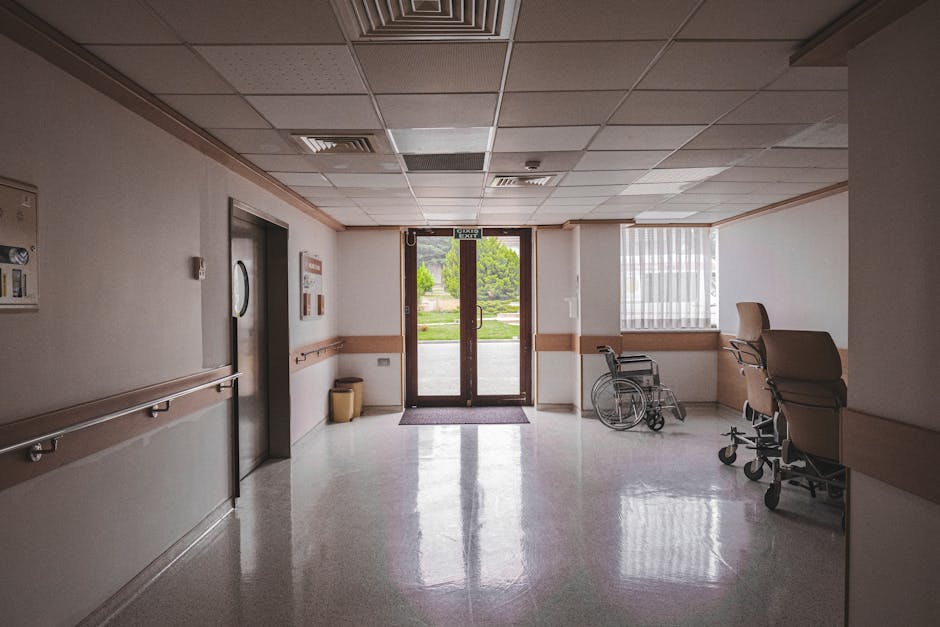

The importance of mental health has gained significant recognition in recent years, leading to a heightened focus on the facilities that support mental health care. Psychiatric hospitals play a crucial role in providing both emergency and long-term care for individuals facing severe mental health challenges. This article delves into the functions, benefits, and evolving landscape of psychiatric hospitals, shedding light on their integral role in society.
What Are Psychiatric Hospitals?

Psychiatric hospitals, also known as mental health hospitals or psychiatric wards, are specialized facilities where individuals with mental health disorders receive comprehensive treatment. These institutions are equipped to handle a wide range of conditions, including schizophrenia, bipolar disorder, severe depression, and anxiety disorders. Unlike regular hospitals, psychiatric hospitals focus solely on mental health, offering a therapeutic environment designed to promote recovery.
Patients in psychiatric hospitals typically undergo a combination of medication management, psychotherapy, and various therapeutic activities aimed at improving their mental well-being. The staff includes psychiatrists, psychologists, nurses, social workers, and occupational therapists, all of whom work collaboratively to develop personalized treatment plans.
Benefits of Psychiatric Hospitals
One of the primary benefits of psychiatric hospitals is the structured environment they provide. This controlled setting can be essential for individuals experiencing acute episodes of mental illness, where safety and stabilization are urgent priorities. By removing patients from potentially harmful environments, psychiatric hospitals facilitate a focus on recovery.
Moreover, psychiatric hospitals often provide intensive treatment that may not be available in outpatient settings. For instance, patients may have access to group therapy sessions, individualized counseling, and medication adjustments that are critical during the early phases of treatment. Statistics show that individuals who receive care in psychiatric hospitals often experience a significant reduction in symptoms compared to those treated solely in outpatient settings.
How Psychiatric Hospitals Have Evolved
The landscape of psychiatric care has changed dramatically over the years. Historically, psychiatric hospitals were often associated with negative connotations, sometimes being referred to as ‘asylums’ where patients were isolated and poorly treated. However, modern psychiatric hospitals focus on patient-centered care, emphasizing dignity, respect, and the active involvement of patients in their treatment plans.
Furthermore, advancements in psychiatric medicine and therapy have led to more effective treatments, reducing the need for long-term hospitalization. Many psychiatric hospitals now aim to stabilize patients quickly so they can return to their communities and continue treatment in outpatient settings. This trend aligns with a broader movement towards deinstitutionalization, which advocates for integrating mental health treatment into community-based services.
Challenges Facing Psychiatric Hospitals
Despite their critical role, psychiatric hospitals face several challenges. One major issue is the stigma surrounding mental illness, which can deter individuals from seeking help. Additionally, funding cuts and resource limitations often hinder the ability of these facilities to provide comprehensive care.
Staff shortages can also pose a challenge, affecting the quality of care. Many psychiatric hospitals struggle to recruit and retain qualified professionals, leading to increased workloads and burnout among existing staff. This can impact patients negatively, as staff shortages may result in less individualized attention and support.
Future Directions in Psychiatric Care
As society continues to prioritize mental health, the future of psychiatric hospitals appears promising. Innovations in telehealth and digital tools are becoming integral to psychiatric care, allowing patients to access support remotely and enhancing the overall treatment experience.
Moreover, integrating psychiatric services within general healthcare systems is gaining traction, promoting a more holistic approach to patient care. For those seeking specialized care, finding a Psychiatrist dubai can be a vital step in accessing the necessary support for mental health challenges.
Conclusion
Psychiatric hospitals play a vital role in the mental healthcare landscape, providing essential services for individuals in crisis and those needing long-term support. As the stigma surrounding mental health continues to decrease, these institutions are evolving to meet the needs of their patients better. By focusing on recovery, integrating innovative approaches, and advocating for comprehensive care, psychiatric hospitals are becoming beacons of hope for many in need.