

Psychiatric hospitals play a crucial role in the mental health care system, providing specialized services for individuals facing severe psychiatric disorders. These institutions are designed to offer comprehensive treatment and support, ensuring that patients receive the necessary care to manage their conditions effectively. In this article, we will explore the functions, benefits, and challenges associated with psychiatric hospitals, shedding light on their significance in the realm of mental health.
The Purpose of Psychiatric Hospitals
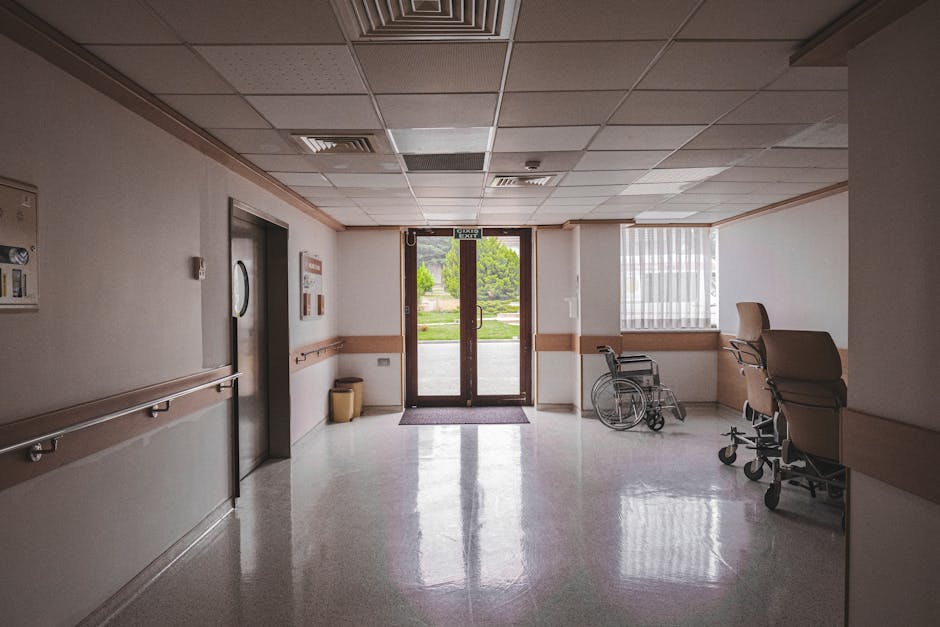
Psychiatric hospitals are primarily aimed at treating patients with severe mental illnesses such as schizophrenia, bipolar disorder, and severe depression. Unlike general hospitals, these facilities are equipped with professionals trained specifically in psychiatry and psychology. The main objective of a psychiatric hospital is to stabilize patients, manage their symptoms, and prepare them for reintegration into society.
One of the key functions of psychiatric hospitals is crisis intervention. Patients often arrive in a state of severe distress, requiring immediate attention. Hospitals provide a safe environment where patients can be monitored closely by mental health professionals, allowing for timely interventions. This not only helps in alleviating acute symptoms but also prevents potential harm to the patients or others.
In addition to crisis intervention, psychiatric hospitals often offer various therapeutic programs tailored to individual needs. These can include medication management, individual therapy, group therapy, and recreational activities aimed at enhancing social skills. The goal is to equip patients with coping strategies that they can use outside the hospital environment.
The Benefits of Inpatient Care
One of the primary advantages of inpatient care in psychiatric hospitals is the 24/7 support provided by trained professionals. This continuous care allows for more intensive monitoring and adjustment of treatment plans as necessary. In a structured environment, patients are less likely to engage in self-destructive behaviors, which can often occur in less supervised settings.
Moreover, psychiatric hospitals can facilitate a comprehensive assessment of a patient’s mental health condition. Through extensive evaluations, health care providers can better understand the complexities of each patient’s situation, leading to more personalized treatment plans. This individualized approach can significantly enhance the effectiveness of the treatment.
Statistically, studies have shown that patients treated in psychiatric hospitals tend to have better outcomes compared to those receiving outpatient treatment alone. A report by the National Institute of Mental Health indicated that hospitalization can lead to a more significant reduction in symptoms and improved overall functioning.
Challenges Faced by Psychiatric Hospitals
Despite their importance, psychiatric hospitals face several challenges. One significant issue is the stigma surrounding mental health treatment, which can deter individuals from seeking help. Many people still associate psychiatric hospitals with negative connotations, leading to a reluctance to enter these facilities.
Additionally, the rise in demand for mental health services has often outpaced the availability of resources within psychiatric hospitals. This can result in overcrowding, leading to longer wait times for patients and, in some cases, compromised quality of care. The lack of sufficient funding and support for mental health services exacerbates these challenges.
Furthermore, the integration of mental health care within the broader health system remains a concern. Coordination between psychiatric hospitals and other health care providers is crucial to ensure continuity of care, yet it is often lacking. This can lead to gaps in treatment, where patients may not receive the follow-up care necessary for sustained recovery.
The Future of Psychiatric Hospitals
Looking ahead, psychiatric hospitals must adapt to the evolving landscape of mental health care. One promising trend is the increasing focus on holistic treatment approaches that address both mental and physical health. This integrated model can enhance patient outcomes by considering the overall well-being of individuals.
Technological advancements also offer new opportunities for psychiatric hospitals. Telepsychiatry, for instance, allows for remote consultations and therapy sessions, which can be especially beneficial for patients in rural areas. This can expand access to care and reduce the stigma associated with visiting a psychiatric facility.
Furthermore, there is a growing emphasis on community-based mental health services. While psychiatric hospitals will remain vital for acute care, providing additional support in community settings can help bridge the gap for patients transitioning out of inpatient care. This approach fosters a continuum of care that can significantly enhance recovery and reintegration into society.
Conclusion
Psychiatric hospitals serve as a critical component of the mental health care system, providing necessary support for individuals facing severe psychiatric challenges. While they offer significant benefits, including crisis intervention and personalized treatment plans, they also encounter various challenges that must be addressed. As we look to the future, it is essential for psychiatric hospitals to innovate and adapt, ensuring that they can continue to provide effective care while reducing stigma and enhancing access to mental health services. By doing so, we can foster a more compassionate and effective mental health care system for all.
For those seeking specialized care, resources such as Psychiatry dubai offer valuable information on available services.