
As urban populations continue to rise and the demand for fresh produce grows, traditional farming methods are being challenged. Vertical farming technology has emerged as a revolutionary solution to address these challenges, allowing for the cultivation of crops in vertically stacked layers. This innovation not only maximizes space but also minimizes water usage and reduces transportation costs associated with food distribution.
What is Vertical Farming?
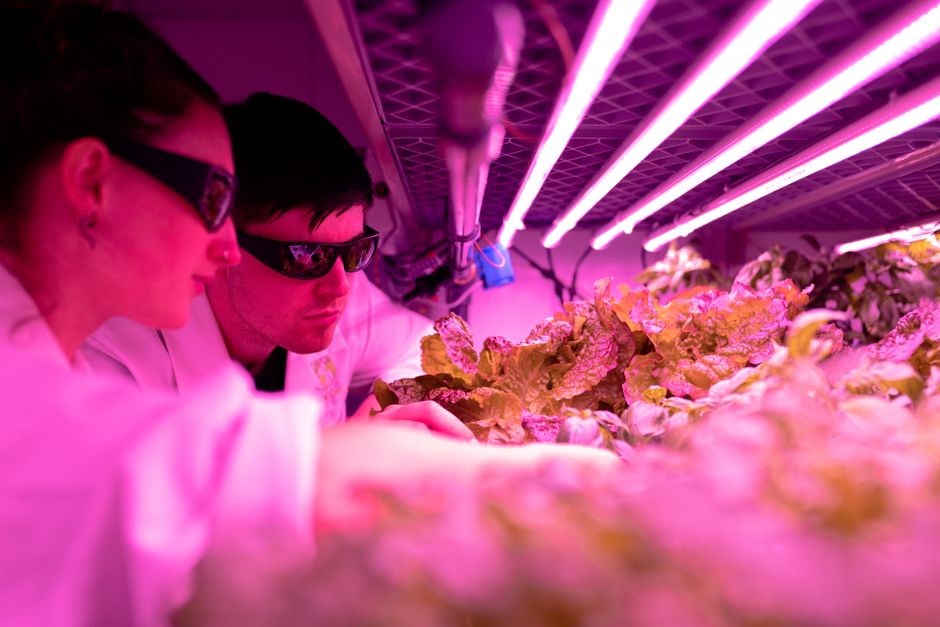
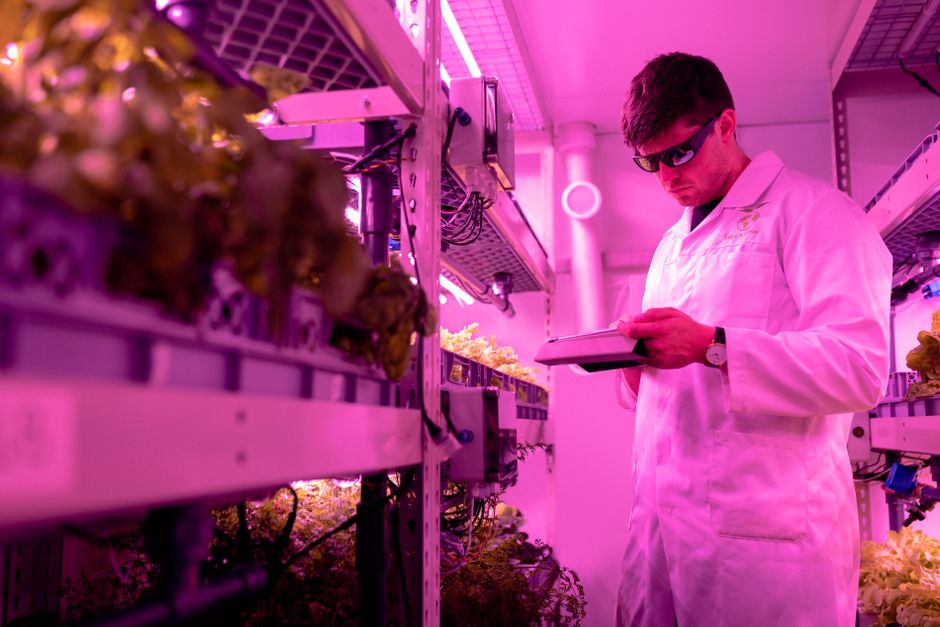
Vertical farming is a method of growing food in vertically inclined surfaces, often in controlled indoor environments. This innovative approach utilizes hydroponics, aeroponics, and aquaponics to cultivate plants without soil. By controlling environmental conditions such as temperature, light, and humidity, vertical farming enables crops to grow year-round, regardless of external weather conditions. This technology is increasingly being adopted in urban areas where land is scarce and the need for local food sources is critical.
One of the most significant advantages of vertical farming is its ability to produce food in urban settings, reducing the carbon footprint associated with transporting food from rural farms. For example, a vertical farm located in a city can supply fresh produce to local markets, ensuring that consumers have access to healthy food options while supporting local economies.
Benefits of Vertical Farming Technology
The benefits of vertical farming technology extend beyond mere convenience. Firstly, vertical farms use significantly less water than traditional farming methods. According to studies, vertical farming can use up to 90% less water due to the recirculation of water in a closed system. This is particularly important in areas experiencing water scarcity.
Moreover, vertical farms can yield crops at a much faster rate compared to conventional farms. With controlled environments, crops can grow more quickly, allowing for multiple harvests per year. This increased efficiency means that food can be produced on demand, reducing waste and ensuring that fresh produce is readily available.
Additionally, vertical farming can contribute to a more sustainable food system. By eliminating the need for pesticides and herbicides, vertical farms promote healthier crops and reduce the environmental impact of farming. This aligns with the growing consumer demand for organic and sustainably-produced food.
Challenges Facing Vertical Farming
Despite its numerous advantages, vertical farming technology is not without its challenges. The initial setup costs for vertical farms can be significantly higher than traditional farming operations. The need for advanced technology, such as LED lighting and climate control systems, can deter potential investors.
Furthermore, while vertical farms can produce a variety of crops, they are often limited to certain types of vegetables and herbs. Crops that require extensive root systems or larger growing areas, such as grains or fruit trees, are not yet suitable for vertical farming methods. As technology advances, however, this may change, expanding the range of crops that can be effectively grown in vertical farms.
Case Studies and Innovations
Several companies and research institutions are leading the way in vertical farming innovation. For instance, companies like AeroFarms and Plenty are utilizing cutting-edge technology to optimize crop yield and quality. AeroFarms, based in New Jersey, has developed a system that uses aeroponics to grow leafy greens with minimal water and energy.
In addition, vertical farms are being integrated into city infrastructure. The Singapore government has invested heavily in vertical farming initiatives, seeing it as a solution to the city-state’s food security challenges. With limited land available for traditional agriculture, Singapore is pioneering the use of vertical farms to produce a significant portion of its food supply.
As these case studies demonstrate, the potential for vertical farming technology is vast, and its continued development could play a crucial role in transforming global food systems.
Conclusion: The Path Forward
In conclusion, vertical farming technology represents a significant advancement in the quest for sustainable food production. By harnessing technology to create efficient and environmentally-friendly farming practices, we can address food security challenges while reducing our impact on the planet. As urban populations grow and the demand for fresh produce increases, the importance of vertical farming will only continue to rise. For those interested in exploring the capabilities of vertical farming technology, the future is promising, filled with opportunities for innovation and growth.