
As the world grapples with the challenges of urbanization and population growth, the need for innovative agricultural solutions has never been more pressing. Vertical farming technology stands at the forefront of this revolution, promising to reshape how we produce food in urban environments. By utilizing vertical space and advanced agricultural techniques, vertical farming aims to provide fresh produce to city dwellers while minimizing the environmental impact associated with traditional farming practices.
What is Vertical Farming?
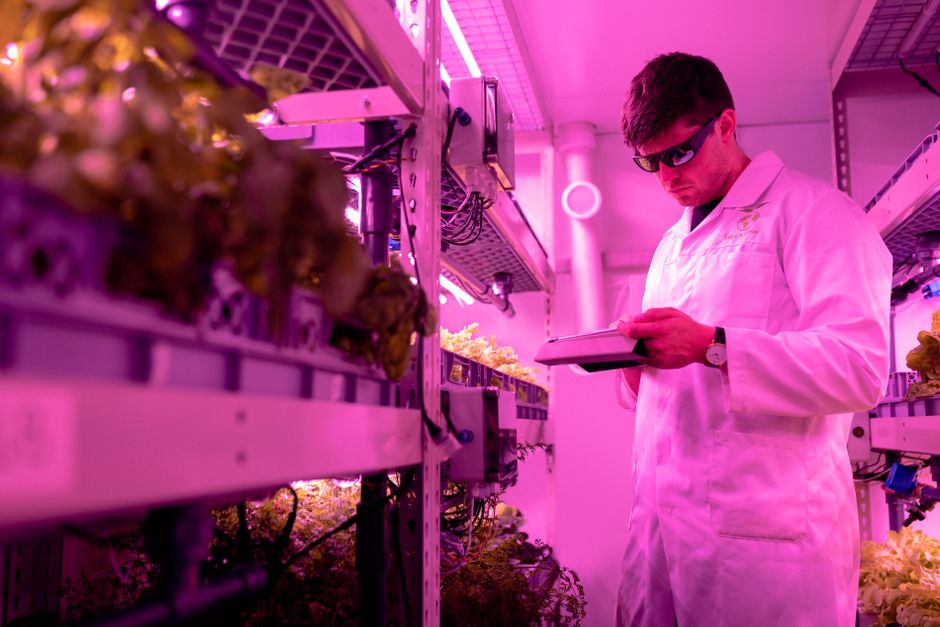
Vertical farming refers to the practice of cultivating crops in vertically stacked layers, often integrated into structures like skyscrapers or repurposed warehouses. This method contrasts sharply with traditional farming, which relies heavily on expansive land areas. The concept emerged in response to the increasing demand for food, especially in urban areas where arable land is scarce. By employing hydroponics, aeroponics, and even aquaponics, vertical farms can grow crops without soil, using nutrient-rich water solutions instead.
The technology behind vertical farming has advanced significantly in recent years, enabling growers to optimize conditions for plant growth. Climate control systems, LED lighting, and automated nutrient delivery systems help ensure that crops receive the ideal conditions for growth throughout the year. This controlled environment not only accelerates growth cycles but also reduces the need for pesticides and herbicides, leading to healthier produce.
Benefits of Vertical Farming Technology
The advantages of vertical farming technology extend beyond mere efficiency. Firstly, it uses significantly less water than traditional farming methods—up to 90% less in some cases. This is particularly crucial in regions facing water scarcity. Secondly, vertical farms can be located closer to urban centers, reducing transportation costs and emissions associated with food delivery. This localization also ensures that consumers have access to fresher produce, which can enhance flavor and nutritional content.
Moreover, vertical farming can contribute to food security. As urban populations continue to grow, the pressure on food supply chains increases. Vertical farms can provide a consistent supply of crops year-round, independent of seasonal fluctuations and adverse weather conditions. This resilience is vital in a world where climate change poses significant risks to traditional agriculture.
Challenges Facing Vertical Farming
Despite its numerous benefits, vertical farming technology is not without challenges. High initial setup costs can be a significant barrier for many entrepreneurs looking to enter the market. The cost of advanced technology, such as LED lighting and climate control systems, can be substantial. Furthermore, while operational costs may decrease over time, ongoing maintenance and energy consumption must be carefully managed to ensure profitability.
Additionally, public perception and acceptance of vertical farming can vary. Some consumers may be skeptical about the nutritional quality of produce grown in controlled environments compared to that grown in traditional soil. Education and transparency will be crucial in overcoming these barriers and gaining consumer trust.
Case Studies: Successful Vertical Farms
Several pioneering companies have successfully implemented vertical farming technology, showcasing its potential. For instance, AeroFarms, based in Newark, New Jersey, operates one of the largest vertical farms in the world. Their facility utilizes aeroponic technology to grow leafy greens without soil and has garnered attention for its sustainability practices and efficiency.
Another notable example is Plenty, a startup that has gained significant investment to expand its vertical farming operations across the United States. Their farms utilize advanced robotics and machine learning to optimize growth conditions and minimize resource use. These case studies demonstrate the viability of vertical farming as a solution to urban food production challenges.
The Future of Vertical Farming
Looking ahead, the future of vertical farming technology appears promising. With ongoing advancements in technology and increased investment in sustainable agriculture, we can expect to see more innovative solutions emerge. Research into automation, AI-driven crop management, and renewable energy integration will likely propel the industry forward, making vertical farming more efficient and accessible.
As urban areas continue to expand, the role of vertical farming in addressing food security and environmental sustainability will become increasingly vital. The integration of vertical farming technology into urban planning and policy will be crucial for realizing its full potential. By embracing this innovative approach to agriculture, we can work towards a more sustainable and resilient food system for future generations.