
In the world of music production, finding the right environment is key to achieving the best sound possible. Recording studios play a crucial role in this process, providing not only the physical space but also the necessary equipment and expertise. Whether you are a budding artist or an established musician, understanding the ins and outs of recording studio rental can greatly enhance your recording experience and outcomes.
Choosing the Right Studio
When it comes to selecting a recording studio, several factors come into play. First and foremost, you need to consider the type of music you are producing. Different studios cater to specific genres, so it’s vital to find one that aligns with your artistic vision. For example, a studio that specializes in classical music may not have the same equipment or ambiance as one designed for hip-hop or rock.
Another essential aspect is the studio’s acoustics. A well-designed space can significantly impact the quality of your recordings. Look for studios that have been professionally soundproofed and treated to minimize unwanted noise and echoes. This can mean the difference between a polished sound and a muddy mix.
Finally, consider the studio’s location. A convenient location can save you time and transportation costs, making it easier to focus on your creative process. Some artists prefer studios in vibrant urban areas, which can inspire creativity, while others might choose secluded locations for a more focused environment.
Understanding Pricing Structures
The cost of renting a recording studio can vary widely based on several factors, including the studio’s location, reputation, and the equipment available. Most studios offer hourly rates, but some may also have daily or package rates that can provide better value for longer sessions.
It’s essential to understand what is included in the rental price. Some studios offer additional services such as an engineer to assist with recording, mixing, and mastering, which can be beneficial for those who are less experienced in the technical aspects of music production.
Keep in mind that while it might be tempting to go for the cheapest option, investing a bit more in a high-quality studio can lead to superior results. Quality equipment and experienced staff can elevate your project, making it worth the extra expense.
Preparing for Your Session
Once you’ve selected a studio, preparation is key to making the most of your time there. Start by creating a clear plan for your recording session, including the songs you want to work on and any specific sounds or effects you wish to achieve.
Additionally, ensure that all your instruments and equipment are in top condition. If you are using rented gear, check with the studio ahead of time to confirm availability and compatibility with your setup.
Moreover, consider rehearsing with your band or collaborators prior to the session. A well-rehearsed group can maximize studio time, allowing for more takes and improved creativity. Remember, the goal is to capture the best performance possible, so coming prepared is crucial.
Utilizing Studio Facilities
Many modern recording studios offer a variety of facilities that can enhance your recording experience. This can include isolation booths for vocalists, live rooms for full band recordings, and even lounges for breaks and relaxation. Familiarize yourself with the layout and equipment of the studio before your session begins to ensure you can navigate it smoothly.
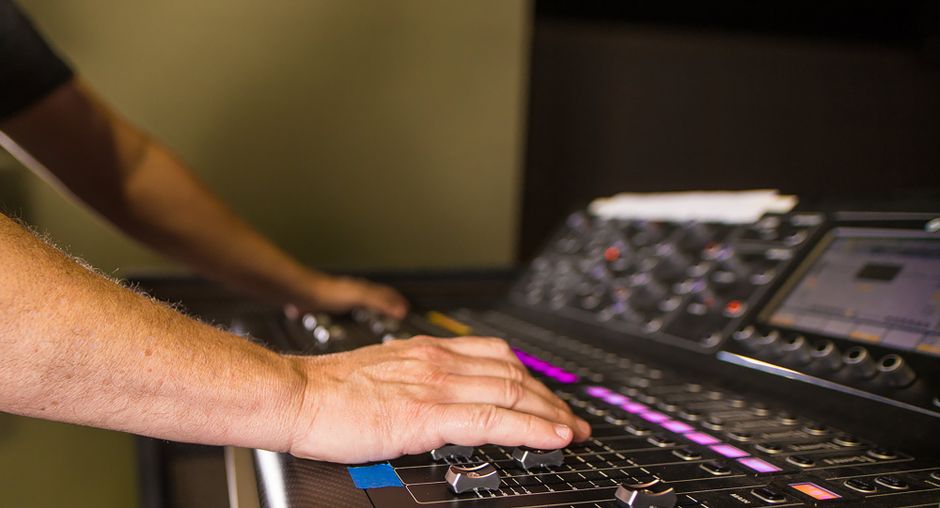
Also, take advantage of the studio’s technology. High-quality microphones, mixing consoles, and software can significantly improve your sound quality. Don’t hesitate to ask the studio engineer for recommendations on the best equipment to use for your specific needs.
Furthermore, consider exploring the option of using additional services that the studio may provide, such as mixing and mastering. These services can help refine your sound further and ensure your tracks are polished and ready for release.
Post-Session Considerations
After your recording session, the work is not quite over. You may need to spend additional time on mixing and mastering your tracks to achieve the final product you envision. Many studios offer these services, so be sure to discuss your options with the studio manager or engineer.
It’s also important to set aside time for feedback and adjustments. Listening to your recordings critically can help identify areas for improvement and ensure that the final product meets your artistic standards.
Lastly, consider how you will promote your music once it is finished. A high-quality recording can open doors to new opportunities, so having a marketing plan in place can be beneficial. Whether it’s through social media, live performances, or music platforms, getting your music heard is essential.
Conclusion
Renting a recording studio can be a transformative experience for any musician. By choosing the right studio, understanding pricing structures, preparing thoroughly, and utilizing the available facilities, you can maximize your recording session’s potential. Don’t forget to consider additional services and post-session needs to ensure your music achieves the impact you desire. With the right approach, a recording studio rental can be the stepping stone to your next musical masterpiece. For those looking to take the plunge into the world of professional recording, explore options for recording studio rental that meet your needs and elevate your sound.