

Landscape architecture is a multifaceted profession that blends art and science to create functional and aesthetically pleasing outdoor spaces. From parks to urban plazas, landscape architects have the unique ability to shape environments that enhance our quality of life. This article explores the various aspects of landscape architecture, including its history, principles, and the role of landscape architects in contemporary society.
A Brief History of Landscape Architecture
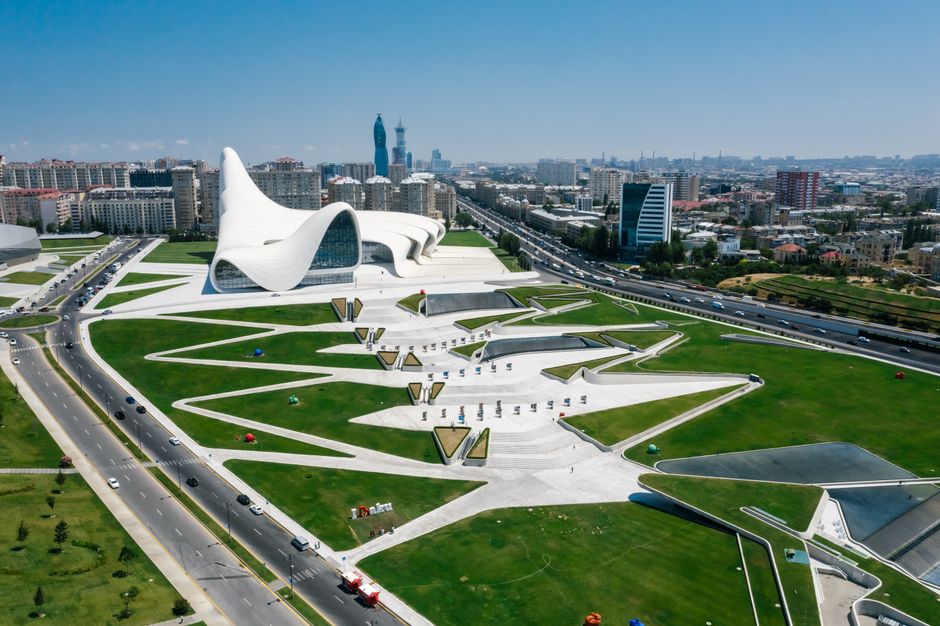
The roots of landscape architecture can be traced back to ancient civilizations, where gardens were designed to reflect the power and wealth of their owners. The Hanging Gardens of Babylon and the gardens of ancient Rome exemplify early forms of landscape design. However, the profession as we know it today began to take shape in the 19th century, particularly with the work of figures like Frederick Law Olmsted, who is often regarded as the father of American landscape architecture.
Olmsted’s design for Central Park in New York City is a landmark achievement that showcased the importance of integrating natural beauty with urban development. His vision emphasized the need for public spaces that promote health and well-being, a principle that continues to guide landscape architects today.
Core Principles of Landscape Architecture
At its core, landscape architecture is guided by several fundamental principles. These include sustainability, functionality, and aesthetics. Sustainability is a key focus, as landscape architects strive to create designs that minimize environmental impact and promote biodiversity.
Functionality is equally important; outdoor spaces must serve their intended purposes, whether for recreation, relaxation, or environmental restoration. Aesthetics, of course, play a vital role in how a space is perceived and experienced. A well-designed landscape should evoke emotion and create a sense of place.
Landscape architects utilize various tools and techniques to achieve these principles. Computer-aided design (CAD) software, 3D modeling, and ecological assessments are just a few of the methods employed to ensure that designs are both viable and visually appealing.
The Role of Landscape Architects Today
In contemporary society, the role of landscape architects has expanded significantly. They are involved in a wide range of projects, from urban planning and environmental restoration to private residential gardens. As cities continue to grow and face challenges such as climate change and population density, landscape architects are tasked with finding innovative solutions to these pressing issues.
For example, the incorporation of green roofs and urban gardens has become increasingly popular in urban areas. These solutions not only enhance the aesthetic appeal of a city but also contribute to improved air quality and biodiversity. Additionally, landscape architects often collaborate with urban planners, architects, and engineers to create integrated designs that address both environmental and social needs.
Moreover, the rise of public awareness regarding mental health and well-being has led to a greater emphasis on creating spaces that promote relaxation and social interaction. Parks, community gardens, and recreational areas are designed with these considerations in mind, providing essential benefits to urban populations.
Case Studies in Landscape Architecture
Examining successful landscape architecture projects can provide valuable insights into the profession’s impact. One notable example is the High Line in New York City, an elevated linear park built on a former railway line. This project transformed a neglected urban space into a vibrant public park, showcasing the potential of adaptive reuse in landscape design.
Another impressive case is the Eden Project in Cornwall, England, which features biomes that house a diverse range of plant species from around the world. This project highlights the role of landscape architecture in promoting environmental education and sustainability.
These examples demonstrate how landscape architects can create transformative spaces that benefit both communities and the environment. By integrating ecological principles with innovative design, they can address contemporary challenges and enhance the quality of life for all.
The Future of Landscape Architecture
Looking ahead, the future of landscape architecture is filled with possibilities. As technology advances, landscape architects will have access to new tools and techniques that allow for even greater creativity and efficiency in their designs. Virtual reality and augmented reality are beginning to play a role in visualizing projects before they are built, enabling clients to better understand and engage with the design process.
Furthermore, as the focus on sustainability intensifies, landscape architects will be at the forefront of developing solutions that address climate change, promote biodiversity, and enhance urban resilience. Their expertise will be crucial in creating spaces that not only meet human needs but also support ecological health.
Conclusion
In conclusion, landscape architecture is a vital profession that plays a significant role in shaping our outdoor environments. Through a combination of art and science, landscape architects create spaces that enhance our well-being and contribute to the health of our planet. As we face increasing urbanization and environmental challenges, the importance of their work will only continue to grow. Embracing the principles of sustainability, functionality, and aesthetics, landscape architects will help pave the way for a more harmonious relationship between people and nature.