

Sheet metal fabrication is a crucial process in various industries, ranging from automotive to aerospace. It involves transforming flat sheets of metal into desired shapes and structures through cutting, bending, and assembling. Understanding the intricacies of this process can help businesses optimize production, reduce costs, and enhance product quality. In this article, we will explore the different aspects of sheet metal fabrication, its applications, techniques, and future trends.
Understanding Sheet Metal Fabrication
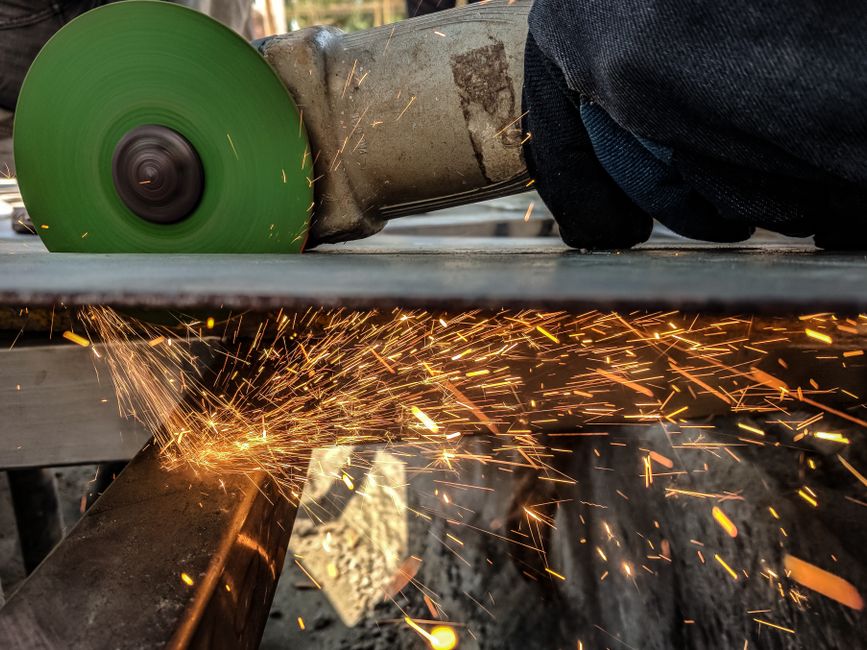
Sheet metal fabrication refers to the process of manipulating and assembling metal sheets to create a variety of components and structures. This process typically involves several key techniques, including cutting, bending, and welding. Each technique has its own set of tools and machinery, contributing to the overall efficiency and quality of the final product.
One of the primary benefits of sheet metal fabrication is its versatility. It can be applied to a wide range of materials such as steel, aluminum, brass, and copper, allowing manufacturers to choose the most suitable metal for their specific applications. This flexibility makes it an ideal choice for both small-scale and large-scale production.
Key Techniques in Sheet Metal Fabrication
Several techniques are vital in the sheet metal fabrication process. Cutting is often the first step, where sheets are sliced into required shapes using methods like laser cutting, water jet cutting, or plasma cutting. Each method has its advantages, with laser cutting providing high precision and water jet cutting being suitable for thicker materials.
Following cutting, bending comes into play. This process changes the metal sheet’s shape without compromising its structural integrity. Tools such as press brakes are commonly used for bending operations. The ability to bend metal at various angles allows for the creation of intricate designs that are essential in industries like automotive manufacturing.
Welding is another crucial aspect of sheet metal fabrication. It is used to join two or more pieces of metal together, enhancing the strength and durability of the final product. Techniques like MIG (Metal Inert Gas) welding and TIG (Tungsten Inert Gas) welding are widely adopted, depending on the materials and the required strength of the weld.
Applications of Sheet Metal Fabrication
Sheet metal fabrication serves a multitude of industries, each with its own specific needs. In the automotive sector, for instance, it is used to create body panels, chassis components, and various structural parts. These components must be durable yet lightweight to improve fuel efficiency and performance.
In the aerospace industry, the fabrication of sheet metal is even more critical. Aircraft components must meet strict safety standards while minimizing weight. Fabricated metal parts are used in everything from the fuselage to the wings, showcasing the importance of precision and quality in this field.
Additionally, sheet metal fabrication plays a significant role in the construction industry. HVAC ducts, roofing materials, and structural supports are all fabricated from sheet metal, demonstrating its versatility and essential contribution to building infrastructure.
Future Trends in Sheet Metal Fabrication
The future of sheet metal fabrication is poised for innovation, driven by advancements in technology. Automation and robotics are increasingly becoming part of the manufacturing process, enhancing efficiency and reducing human error. Automated systems can perform repetitive tasks with high precision, freeing up skilled workers to focus on more complex aspects of production.
Moreover, the integration of digital technologies such as Computer-Aided Design (CAD) and Computer-Aided Manufacturing (CAM) is revolutionizing the way metal parts are designed and produced. These tools allow for greater accuracy and the ability to simulate manufacturing processes before physical production begins, saving both time and resources.
Sustainability is also becoming a focal point in sheet metal fabrication. Manufacturers are exploring ways to minimize waste and recycle materials, aligning with global efforts to reduce environmental impact. This trend is not only beneficial for the planet but can also lead to cost savings for businesses.
Conclusion
Sheet metal fabrication is an essential process across numerous industries, providing the foundation for countless products and structures. By understanding its techniques, applications, and future trends, manufacturers can harness its potential to create innovative solutions. As technology continues to evolve, staying informed about advancements in sheet metal fabrication will be crucial for businesses looking to maintain a competitive edge.