

Septic tanks are an essential component of many homes, especially in rural areas where access to municipal sewage systems is limited. Proper maintenance and cleaning of these systems are crucial to ensuring their efficiency and longevity. In this guide, we will explore the importance of septic tank cleaning, the signs that indicate your tank needs attention, and best practices for maintaining your system.
Understanding Septic Tanks
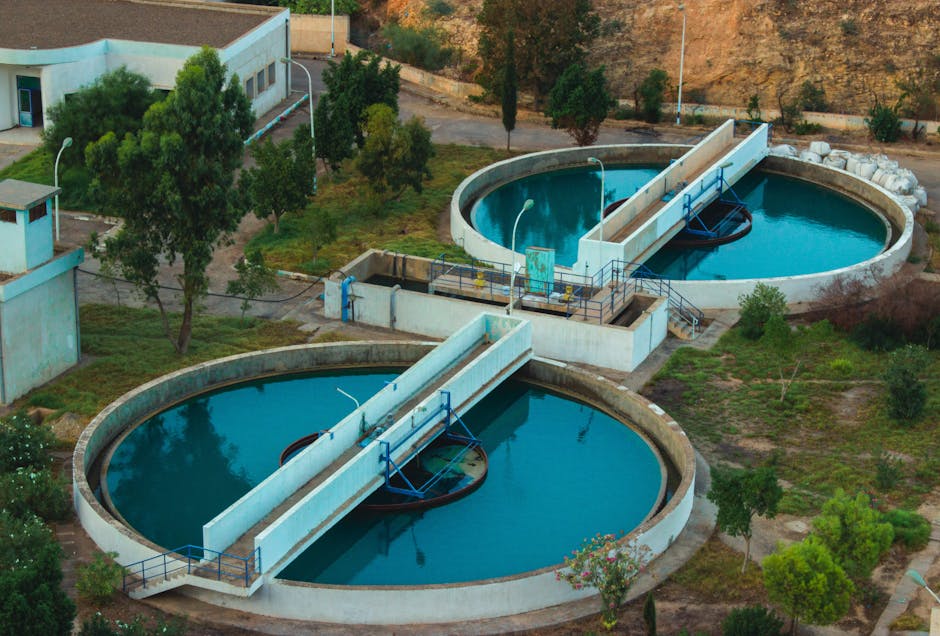
Septic tanks function by treating household wastewater through a natural process of sedimentation and anaerobic digestion. Wastewater flows into the tank, where solids settle at the bottom, forming sludge, while lighter materials float to the top, creating scum. The liquid effluent then flows into the drain field, where it is further treated by the soil. Understanding this process is essential for homeowners to appreciate the importance of regular maintenance.
Many homeowners underestimate the complexity of their septic system. According to the Environmental Protection Agency (EPA), a well-maintained septic system can last over 30 years, but neglecting it can lead to costly repairs and environmental hazards. Therefore, recognizing when to clean your septic tank is vital.
Signs Your Septic Tank Needs Cleaning
Several indicators suggest that your septic tank may require cleaning. One of the most common signs is slow drainage in sinks and toilets, which can indicate that the tank is full and unable to process wastewater effectively. Additionally, if you notice foul odors near the tank or drain field, this could be a sign of a malfunctioning system.
Another important sign is the presence of standing water or lush vegetation around the drain field. This can indicate that the effluent is not being absorbed properly, potentially due to a clogged system. Homeowners should also be aware of any changes in the water level in the tank itself; if it rises too high, it’s a clear indication that cleaning is necessary.
Best Practices for Septic Tank Cleaning
Regular septic system maintenance is essential for optimal performance. The general recommendation is to have your septic tank inspected and pumped every three to five years, depending on usage and household size. Engaging a professional service can ensure that the tank is thoroughly cleaned and any potential issues are identified early.
When cleaning your septic tank, it’s crucial to hire a qualified technician who understands the specific needs of your system. They will remove the sludge and scum buildup and can provide insights on your system’s health. For homeowners looking to perform septic maintenance themselves, it’s important to follow safety guidelines and use appropriate equipment.
Impact of Neglecting Septic Tank Cleaning
Neglecting septic tank cleaning can lead to a variety of serious issues, including backups, overflows, and even damage to the drain field. These problems can not only be costly to repair but can also pose health risks to your family and the surrounding community. Contaminated groundwater and soil can lead to environmental contamination, which is a significant concern for public health.
In fact, the EPA estimates that nearly one in five homes in the United States rely on septic systems. When these systems fail due to improper maintenance, the consequences can be severe, leading to costly repairs and potential legal issues if the contamination spreads to neighboring properties.
Conclusion: The Importance of Proactive Septic Tank Maintenance
In conclusion, septic tank cleaning is not merely a recommendation; it is a necessity for homeowners relying on septic systems. Regular maintenance not only extends the lifespan of your septic tank but also protects your home and the environment. By being aware of the signs that your septic tank needs cleaning and adhering to best practices, you can avoid costly repairs and ensure that your system operates efficiently for years to come.