

In the ever-evolving landscape of construction and building management, MEP (Mechanical, Electrical, and Plumbing) engineering companies play a crucial role in ensuring that buildings function efficiently and sustainably. These companies integrate complex systems that are essential for the comfort, safety, and functionality of any structure. As the demand for innovative building solutions grows, understanding the significance of MEP engineering becomes paramount for architects, builders, and developers alike.
Understanding MEP Engineering
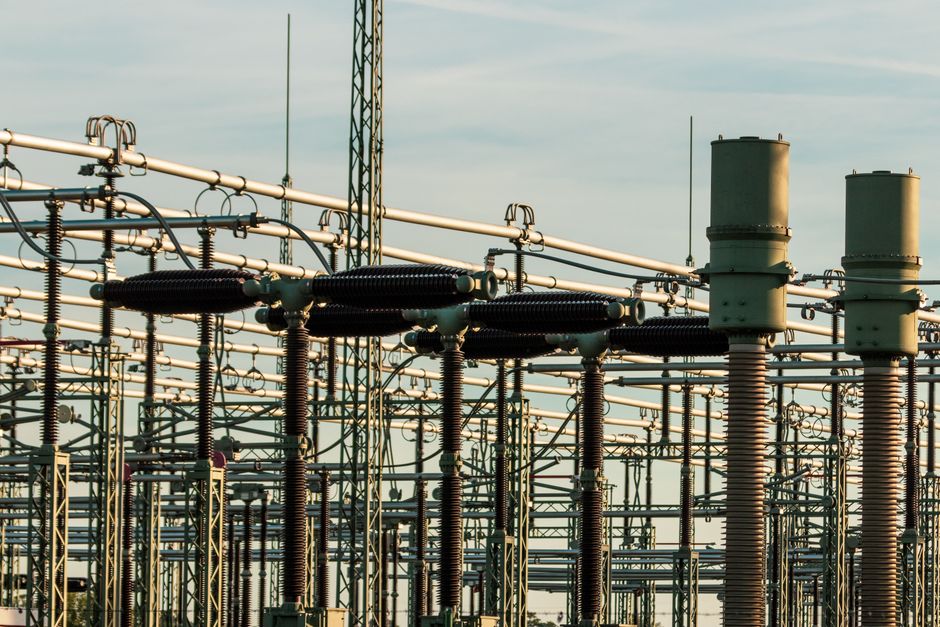
MEP engineering encompasses three primary disciplines: mechanical, electrical, and plumbing. Each component is vital for the overall functionality of buildings, from residential homes to large commercial skyscrapers. Mechanical systems include heating, ventilation, and air conditioning (HVAC), which are essential for maintaining comfortable temperatures and air quality. Electrical systems manage power distribution, lighting, and communication technologies, while plumbing systems ensure safe and efficient water supply and waste management.
The synergy of these systems is what makes MEP engineering integral to construction projects. For instance, an efficient HVAC system not only enhances indoor air quality but also reduces energy consumption, aligning with modern sustainability goals. Furthermore, effective plumbing and electrical systems prevent hazards that could arise from poor installation or design.
The Importance of Collaboration
Collaboration is key in the MEP engineering field. MEP engineers must work closely with architects and general contractors to ensure that all systems are integrated seamlessly into the building’s design. This collaborative approach minimizes conflicts during construction and helps avoid costly redesigns. An example of successful collaboration can be seen in projects where MEP engineers are involved from the initial design phase, allowing for more innovative solutions that meet both aesthetic and functional requirements.
Moreover, the use of Building Information Modeling (BIM) has revolutionized how MEP engineers collaborate with other stakeholders. BIM allows for the creation of 3D models that incorporate all aspects of a building’s design, enabling teams to visualize and plan the integration of mechanical, electrical, and plumbing systems more effectively.
Energy Efficiency and Sustainability
In today’s construction environment, energy efficiency is a top priority. MEP engineering companies are at the forefront of developing systems that not only comply with building codes but also promote sustainability. By incorporating energy-efficient technologies and renewable energy sources, MEP engineers help reduce the carbon footprint of buildings.
For instance, the integration of smart building technologies allows for real-time monitoring and adjustment of HVAC and lighting systems, optimizing energy use based on occupancy and environmental conditions. According to a report from the U.S. Department of Energy, buildings that utilize energy-efficient MEP systems can reduce energy consumption by up to 30%.
Challenges Facing MEP Engineering Companies
Despite their critical role, MEP engineering companies face several challenges. Rapid technological advancements necessitate continuous education and adaptation. Engineers must stay updated with the latest tools, techniques, and regulations to remain competitive in the field. Additionally, the shortage of skilled labor in the construction industry poses a significant challenge for MEP firms, as experienced professionals are needed to design and implement complex systems.
Moreover, MEP engineers often encounter challenges related to project deadlines and budget constraints. Effective project management and communication are essential to navigate these issues and ensure that MEP systems are delivered on time and within budget, without compromising quality.
The Future of MEP Engineering
The future of MEP engineering looks promising, driven by advancements in technology and a growing emphasis on sustainability. As smart buildings become more prevalent, MEP engineering companies will need to incorporate IoT (Internet of Things) devices that allow for enhanced system integration and management.
Furthermore, as urbanization continues to rise, the demand for innovative MEP solutions will also increase. MEP engineering companies will play a pivotal role in shaping the built environment, ensuring that infrastructure is not only efficient but also resilient to climate change.
In conclusion, the significance of MEP engineering companies cannot be overstated. They are essential partners in the construction process, ensuring that buildings are safe, sustainable, and efficient. As the industry evolves, staying informed about the latest trends and technologies will be crucial for those involved in the construction sector. For those looking for comprehensive MEP solutions, partnering with a reputable MEP engineering company can make all the difference in delivering successful projects.