

Education has long been considered the cornerstone of personal and societal development. As we move further into the 21st century, the landscape of education is rapidly evolving, driven by technological advancements and shifting societal needs. In this article, we explore the transformative changes in education, the impact of technology, and the importance of adapting our teaching methodologies to better prepare future generations.
The Role of Technology in Modern Education
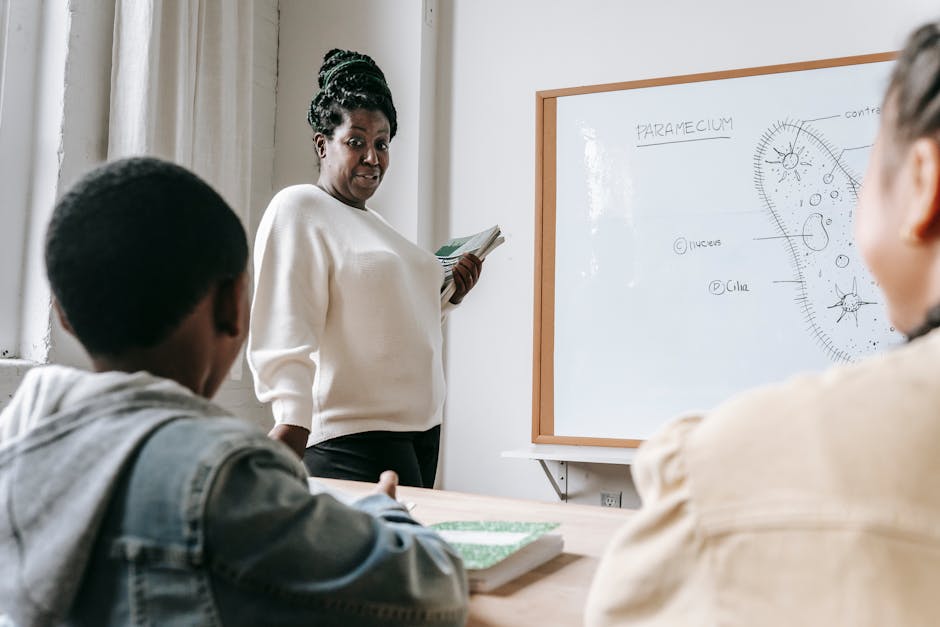
Technology has become an integral part of our daily lives, and its influence on education is profound. From online learning platforms to interactive classrooms, technology is reshaping how knowledge is conveyed and absorbed. According to a report by the World Economic Forum, over 1.5 billion students worldwide were affected by school closures in 2020, leading to a surge in online education. This shift has highlighted the need for educators to become adept at using digital tools to facilitate learning.
One of the most significant advancements in educational technology is the rise of e-learning platforms. Websites like Coursera and Khan Academy offer a plethora of courses across various subjects, making education more accessible than ever. These platforms allow students to learn at their own pace, catering to individual learning styles and needs. As we continue to integrate technology into education, it is essential to ensure that all students have equal access to these resources.
Furthermore, technology enables real-time feedback and personalized learning experiences. For instance, adaptive learning software can analyze a student’s performance and adjust the curriculum accordingly, providing tailored support that addresses their unique challenges. This level of customization was previously unattainable in traditional classroom settings and represents a significant leap forward in educational practices.
The Importance of Lifelong Learning
In a rapidly changing world, the concept of lifelong learning has gained immense significance. The skills required in the workforce are constantly evolving, necessitating continuous education beyond formal schooling. According to the World Economic Forum, over 85 million jobs may be displaced by a shift in labor between humans and machines by 2025. This statistic underscores the necessity for individuals to engage in ongoing education to remain competitive.
Lifelong learning not only enhances career prospects but also fosters personal growth and adaptability. Adult education programs, professional development courses, and online certifications provide opportunities for individuals to upskill and reskill. By investing in their education, individuals can navigate career transitions more effectively and embrace new challenges with confidence.
Moreover, fostering a culture of lifelong learning within organizations can lead to increased innovation and productivity. Companies that prioritize employee development are likely to retain talent and adapt more swiftly to industry changes. Encouraging a mindset of continuous improvement is crucial for both individuals and organizations in today’s dynamic landscape.
The Shift Towards Personalized Education
Personalized education is another trend gaining momentum in the modern educational landscape. Traditional teaching methods often employ a one-size-fits-all approach, which may not effectively address the diverse needs of students. By contrast, personalized education tailors the learning experience to meet each student’s strengths, weaknesses, and interests.
Teachers are increasingly leveraging data analytics to inform their instructional strategies. By analyzing student performance data, educators can identify knowledge gaps and adjust their teaching methods accordingly. This data-driven approach allows for more targeted interventions, ultimately leading to improved academic outcomes.
Additionally, incorporating student choice in learning activities fosters engagement and motivation. When students have a say in what and how they learn, they are more likely to take ownership of their education. This student-centered approach not only enhances academic performance but also cultivates critical thinking and problem-solving skills.
The Globalization of Education
Education is no longer confined to geographical boundaries. The globalization of education has opened up opportunities for cross-cultural exchanges and international collaborations. Students can now access educational resources and experiences from around the world, enriching their learning journey.
International programs, such as study abroad opportunities and virtual exchange initiatives, allow students to immerse themselves in different cultures and perspectives. This exposure fosters global citizenship and prepares students to thrive in an interconnected world. According to UNESCO, education plays a crucial role in promoting peace and understanding among nations, making it essential to embrace global education initiatives.
Furthermore, online learning has facilitated collaboration among educators and students from diverse backgrounds. Platforms that connect learners globally enable the sharing of ideas and best practices, resulting in innovative educational solutions. As we navigate the complexities of a globalized world, it is imperative to prioritize inclusive and equitable education for all.
Conclusion: Preparing for the Future of Education
The future of education is undoubtedly bright, driven by technological advancements and a shift towards more personalized and inclusive learning experiences. As we embrace these changes, it is crucial to remain adaptable and open-minded. Educators, students, and policymakers must collaborate to create an educational environment that fosters innovation, critical thinking, and lifelong learning.
As we continue to explore new methodologies and technologies, we must also prioritize accessibility and equity in education. By ensuring that all individuals have access to quality education, we can empower future generations to thrive in an ever-evolving world. In this journey, embracing resources like toto togel can play a role in enhancing educational opportunities and outcomes.