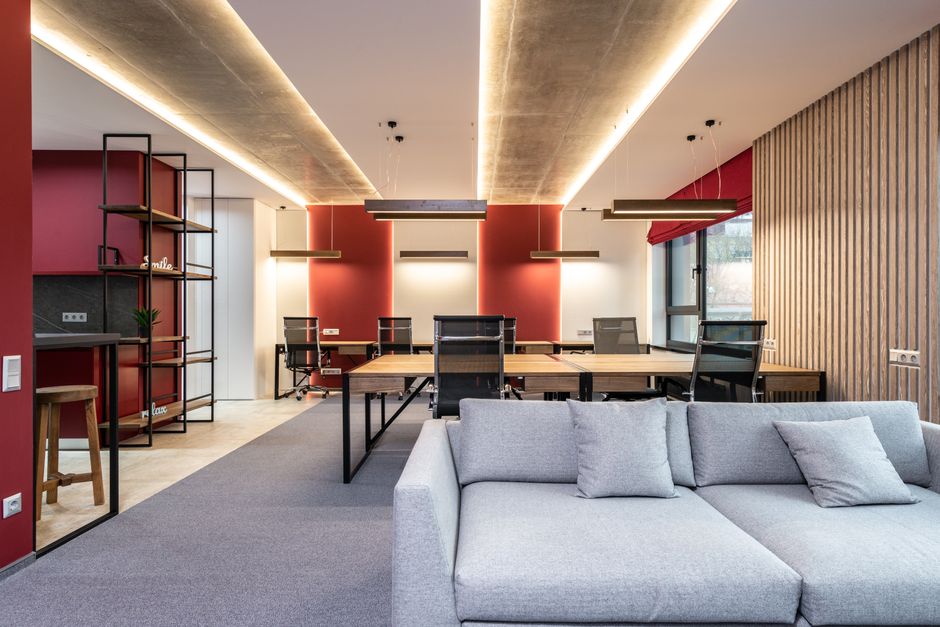

In the rapidly evolving landscape of urban development, the role of an architect firm has never been more crucial. These firms not only design buildings but also shape the environments in which we live, work, and play. With a growing emphasis on sustainability, functionality, and aesthetic appeal, understanding the multifaceted responsibilities of architect firms is essential for anyone interested in real estate, urban planning, or architecture.
Understanding the Architect Firm

An architect firm typically comprises a team of qualified architects, designers, and support staff who collaborate to create innovative designs that meet client needs. Their work extends beyond mere aesthetics; it includes understanding local building codes, environmental regulations, and community needs. This holistic approach ensures that the final output is not just visually appealing but also practical and compliant.
Moreover, architect firms are increasingly leveraging technology, such as Building Information Modeling (BIM) and virtual reality, to enhance their design processes. These tools allow for better visualization and modification of designs, ultimately leading to more efficient project outcomes. For instance, a recent project by a leading architect firm utilized 3D modeling to streamline the design of a mixed-use development, allowing stakeholders to visualize the space before construction began.
The Importance of Sustainability
As environmental concerns grow, architect firms are at the forefront of integrating sustainable practices into their designs. This includes using eco-friendly materials, optimizing energy efficiency, and creating spaces that promote well-being. A notable example is the Bullitt Center in Seattle, designed by the architect firm Miller Hull, which is often referred to as the greenest commercial building in the world. It utilizes rainwater harvesting, solar energy, and a composting system to minimize its environmental footprint.
Incorporating sustainability not only benefits the planet but also enhances the value of properties. Research shows that buildings designed with sustainability in mind have higher resale values and attract tenants willing to pay a premium for eco-friendly features. This shift towards green architecture is a significant trend that architect firms must embrace to remain competitive.
Architect Firms and Community Engagement
Architect firms also play a vital role in community engagement and development. They often work closely with local governments and community groups to ensure that new developments meet the needs of the residents. This collaborative approach helps to foster a sense of ownership among community members, making them more likely to support new projects.
One exemplary case is the revitalization of the waterfront in San Francisco, where various architect firms collaborated with local stakeholders to transform underutilized spaces into vibrant public areas. This project not only improved the aesthetic quality of the waterfront but also provided new recreational opportunities for residents.
Challenges Faced by Architect Firms
Despite their crucial role, architect firms face numerous challenges in the current market. Economic fluctuations can lead to project delays and budget constraints, while stringent regulatory requirements can complicate the design process. Additionally, the increasing competition from freelance architects and smaller firms makes it essential for established architect firms to differentiate themselves.
To navigate these challenges, many architect firms are focusing on niche markets or specialized services. For instance, some firms are dedicating themselves to historic preservation projects, while others may specialize in designing smart buildings equipped with the latest technology.
Future Trends in Architecture
The future of architecture is likely to be shaped by advancements in technology and changing societal needs. Architect firms are expected to increasingly incorporate artificial intelligence and machine learning into their design processes, leading to more efficient workflows and innovative solutions.
Furthermore, with the rise of remote work, architect firms will need to rethink the design of office spaces to accommodate flexible working arrangements. This may involve creating multi-functional spaces that can easily adapt to different uses throughout the day.
In summary, the role of an architect firm is multifaceted and essential to modern urban development. By embracing sustainability, engaging with communities, and adapting to technological advancements, architect firms can continue to play a pivotal role in shaping our built environment. For those interested in learning more about the services provided by an architect firm, numerous resources are available to explore.