
Maintaining a clean pool is essential for enjoying a refreshing swim and ensuring the longevity of your pool equipment. Many pool owners often overlook the importance of regular cleaning, which can lead to various problems, including algae growth, equipment malfunction, and reduced water quality. In this comprehensive guide, we will explore various methods, tips, and best practices for effective pool cleaning to keep your swimming oasis pristine.
The Importance of Regular Pool Cleaning
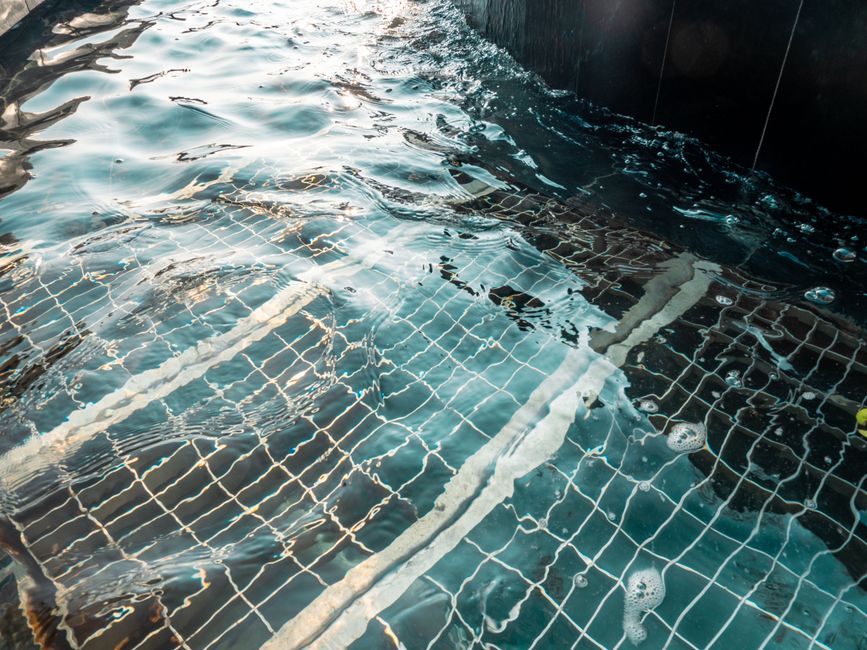
Regular pool cleaning is not just about aesthetics; it plays a crucial role in maintaining the overall health of your pool. Dirty pools can harbor bacteria and other harmful microorganisms, posing health risks to swimmers. Additionally, debris and dirt can clog filters and pumps, leading to expensive repairs and increased energy costs. According to the National Swimming Pool Foundation, a well-maintained pool can save homeowners up to 30% on energy costs.
Furthermore, a clean pool enhances the swimming experience. Crystal clear water is inviting and encourages more frequent use. This is especially important for families with children, as a clean pool can promote safe swimming habits. Ultimately, investing time in regular cleaning can yield significant long-term benefits.
Essential Tools for Pool Cleaning
To effectively clean your pool, it is essential to have the right tools at your disposal. Here are some must-have items:
1. **Skimmer Net**: Ideal for removing leaves, insects, and debris from the water surface. Using a skimmer net regularly can prevent the buildup of dirt.
2. **Pool Brush**: A good-quality brush is essential for scrubbing the walls and floor of the pool. This will help remove algae and prevent scaling.
3. **Vacuum**: Manual or automatic pool vacuums can help clean the bottom of the pool effectively. Regular vacuuming can ensure that dirt and debris are efficiently removed.
4. **Water Testing Kit**: Monitoring your water chemistry is critical. A water testing kit will help you maintain the right balance of chemicals, ensuring safe swimming conditions.
5. **Filter System**: A well-functioning filter is key to keeping your pool clean. Regularly check and clean your filter to optimize performance.
Cleaning Techniques for Different Pool Types
Different types of pools require different cleaning techniques. Here’s a breakdown of cleaning methods based on the pool type:
Vinyl Pools: Use a soft-bristled brush to avoid damaging the lining. Regularly check for tears or punctures.
Concrete Pools: These require more vigorous scrubbing due to their porous surfaces, which can harbor algae. Use a stiff-bristled brush and vacuum regularly.
Fiberglass Pools: These are easier to clean, but regular brushing is still necessary to prevent algae buildup. Use a soft brush to avoid scratches.
Regardless of the pool type, using a combination of limpieza piscinas methods will yield the best results.
Seasonal Pool Cleaning Tips
Seasonal cleaning is vital for maintaining your pool throughout the year. During the summer months, frequent cleaning is necessary due to increased use and debris from nearby trees and plants. In contrast, winter cleaning focuses on closing the pool properly to prevent damage from freezing temperatures.
In the spring, when reopening your pool, it is essential to conduct a thorough cleaning, including checking the equipment and water chemistry. During the fall, cover your pool with a high-quality cover to prevent leaves and debris from entering.
Professional vs. DIY Pool Cleaning
The decision to hire a professional or clean the pool yourself depends on various factors, including budget, time, and expertise. Professional pool cleaners bring expertise and often have access to specialized equipment that can make the cleaning process more efficient.
However, DIY cleaning can be rewarding and cost-effective. If you choose this route, ensure that you educate yourself about proper cleaning techniques and invest in the right tools. Online resources and forums can be invaluable for new pool owners seeking guidance.
Conclusion
In summary, maintaining a clean pool is a critical aspect of pool ownership that impacts both enjoyment and longevity. By following the outlined techniques and investing in the right tools, you can ensure that your pool remains a clean and safe environment for you and your family. Whether you choose to clean your pool yourself or hire a professional, understanding the importance of regular cleaning is essential for preserving your aquatic oasis.