

Home improvement projects can significantly enhance the comfort, functionality, and value of your living space. Whether you are a seasoned DIY enthusiast or a novice looking to make small changes, understanding the essentials of home improvement can help you achieve your goals effectively. This article will explore various aspects of home improvement, including planning, budgeting, and choosing the right materials and professionals.
Planning Your Home Improvement Project
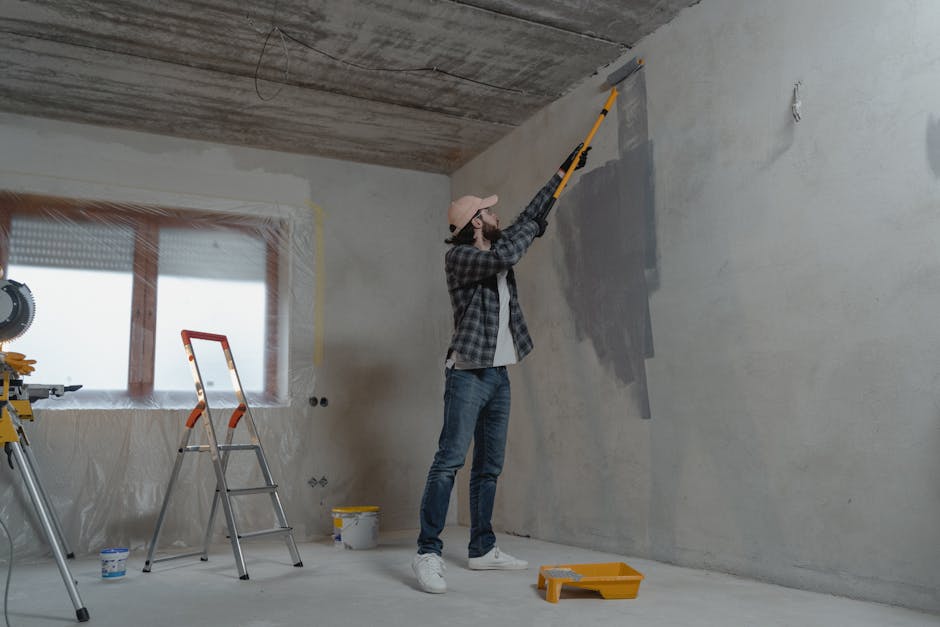
Before diving into any home improvement project, careful planning is crucial. Start by identifying the areas in your home that need improvement. This could be anything from a simple paint job to a complete kitchen remodel. Once you have a list, prioritize these projects based on urgency and impact on your daily life.
For example, if your kitchen is outdated and hindering your cooking experience, it might be wise to start there. On the other hand, a fresh coat of paint in your living room can be a quick and cost-effective way to refresh your space. Additionally, consider creating a timeline for your projects. This will help you stay organized and ensure you allocate sufficient time and resources for each task.
Budgeting for Home Improvements
Budgeting is another critical aspect of home improvement. According to recent studies, homeowners spend an average of $15,000 on renovations, but this can vary widely based on the scope of the project. To create a realistic budget, research the costs associated with materials, labor, and permits, if necessary.
Be sure to include a contingency fund in your budget—typically around 10-20% of your total budget—to cover unexpected expenses that may arise during the project. This will help you avoid financial stress and keep your project on track.
Choosing the Right Materials
Choosing the right materials for your home improvement project can greatly affect the outcome and longevity of your renovations. For instance, if you are installing new flooring, consider options like hardwood, laminate, or tile, each with its benefits and drawbacks. Researching the pros and cons of each material will enable you to make informed decisions that suit your lifestyle and aesthetic preferences.
Additionally, sustainability is becoming increasingly important in home improvement. Many homeowners are now opting for eco-friendly materials that reduce their environmental footprint. Products such as reclaimed wood, low-VOC paints, and energy-efficient appliances can enhance your home while being kind to the planet.
Hiring Professionals vs. DIY
While some home improvement projects can be tackled independently, others may require the expertise of professionals. It is essential to assess your skills and the complexity of the project before deciding. For instance, plumbing and electrical work often require licensed professionals to ensure safety and compliance with local codes.
If you choose to hire professionals, take the time to research and interview several contractors. Ask for references and check their previous work to ensure they align with your vision. For smaller projects, like simple landscaping or painting, you might find that a DIY approach not only saves money but also adds a personal touch to your home. However, don’t hesitate to seek help when the project is beyond your skill level.
Maintaining Your Home Post-Improvement
After completing your home improvement projects, ongoing maintenance is crucial to preserving the value and appearance of your home. Regular inspections and maintenance can prevent small issues from becoming costly repairs. For example, check your roof and gutters for debris and leaks, and ensure that your HVAC system is serviced regularly.
Additionally, consider creating a maintenance schedule to help you stay on top of essential tasks, such as painting, cleaning gutters, and checking for signs of wear and tear. Keeping a well-maintained home not only enhances your living experience but also increases your property value if you decide to sell in the future.
Incorporating aesthetic elements into your home, such as decor from a fashion blog, can also help create a welcoming and stylish environment.
Conclusion
Home improvement is an exciting journey that can transform your living space into a more functional and attractive environment. By planning effectively, budgeting wisely, choosing the right materials, deciding when to hire professionals, and maintaining your home, you can ensure that your projects are successful and rewarding. Remember that every improvement you make not only enhances your lifestyle but also adds long-term value to your home.