

Bedbugs, the unwelcome guests that invade our homes, can be a nightmare for anyone experiencing an infestation. These tiny, blood-sucking insects not only disrupt sleep but can also lead to significant stress and anxiety for affected individuals. Understanding how to effectively exterminate bedbugs is crucial for restoring peace and comfort in your living space.
Understanding Bedbug Behavior
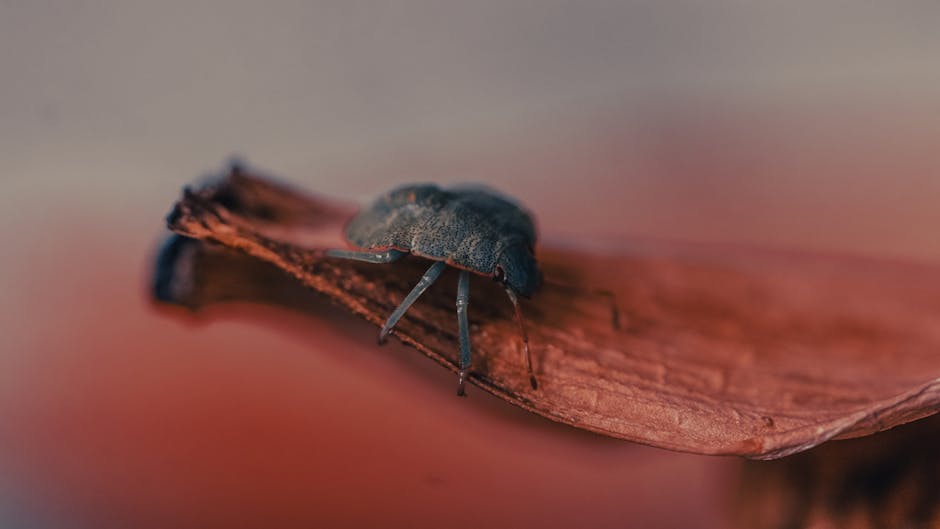
To effectively tackle a bedbug infestation, it is essential to understand their behavior and habits. Bedbugs are nocturnal insects, primarily active at night, which makes them difficult to spot during the day. They typically hide in cracks and crevices, making their presence known only when they emerge to feed. Knowing where to look is key to identifying an infestation early.
Research indicates that bedbugs can survive for months without feeding, which complicates eradication efforts. A bedbug can live in various environments, from homes to hotels, and they are known to hitchhike on luggage, clothing, and other personal items. This adaptability allows them to spread rapidly, emphasizing the importance of swift action when an infestation is suspected.
Signs of Infestation
Recognizing the signs of a bedbug infestation is the first step in effective extermination. Common indicators include small, reddish-brown stains on sheets or mattresses, which are the result of bedbug excrement. Additionally, you may find tiny white eggs or shed skins in areas where bedbugs hide.
Another telltale sign is the presence of bite marks on the skin, often appearing in clusters or lines. These bites may cause itching and discomfort, prompting individuals to seek immediate relief. If you notice any of these signs, it is crucial to act quickly to prevent the infestation from spreading further.
DIY Extermination Methods
While professional extermination services are often the most effective solution, there are several DIY methods that homeowners can employ to combat bedbugs. Vacuuming is one of the most straightforward approaches. Be sure to vacuum all areas where bedbugs may hide, including carpets, upholstery, and baseboards. After vacuuming, dispose of the vacuum bag outside to prevent any surviving bedbugs from re-entering your home.
Steam cleaning is another effective DIY method, as bedbugs and their eggs cannot survive high temperatures. Using a steam cleaner on mattresses and furniture can help eliminate these pests. Additionally, washing bedding and clothing in hot water can kill bedbugs at all life stages.
For those looking for a more comprehensive approach, consider using a combination of methods, including traps and insecticides. However, it is vital to follow the manufacturer’s instructions and safety precautions when using any chemical treatments.
When to Call Professionals
In cases where the infestation is severe or persists despite DIY efforts, it may be time to call in the professionals. Pest control experts have access to more powerful treatments and specialized equipment that can effectively eliminate bedbugs. Professional exterminators often conduct thorough inspections to identify all infested areas, ensuring a complete eradication.
Moreover, many pest control services offer follow-up visits to monitor the situation and provide additional treatments if necessary. This ongoing support can be invaluable, particularly for those who have experienced recurring infestations.
It’s important to be aware that the cost of professional extermination can vary widely, depending on the severity of the infestation and the size of the property. However, investing in professional services can save you time, stress, and money in the long run.
Preventing Future Infestations
Once the bedbug infestation has been successfully eliminated, taking steps to prevent future occurrences is essential. Regularly inspecting your home for signs of bedbugs can help catch any new infestations early. Additionally, be cautious when traveling; check hotel rooms for signs of bedbugs and keep your luggage elevated off the floor.
Implementing protective covers on mattresses and box springs can also help prevent bedbugs from taking up residence in your sleeping area. These covers trap any bedbugs inside while preventing new ones from entering. Regularly washing and drying bedding on high heat will further reduce the risk of re-infestation.
Staying informed about bedbug behavior and prevention strategies is key to maintaining a bedbug-free environment. For those seeking professional assistance, consider looking into effective bed bug treatment options to ensure a thorough solution.
Conclusion
Dealing with a bedbug infestation can be a daunting challenge, but understanding their behavior, recognizing the signs, and knowing when to seek professional help can make all the difference. Whether you choose to tackle the issue with DIY methods or enlist the help of pest control experts, prompt action is vital to reclaiming your space from these pesky intruders. Remember, prevention is your best defense against future infestations. Stay vigilant, and you can enjoy a peaceful, bedbug-free home once again.