

Light Emitting Diodes, commonly known as LEDs, have revolutionized the way we illuminate our world. From their humble beginnings in the 1960s to their current application in everything from household lighting to large-scale outdoor displays, LEDs are at the forefront of modern lighting technology. This article explores the myriad benefits and applications of LEDs, illustrating why they are becoming the preferred choice for consumers and businesses alike.
Understanding LED Technology
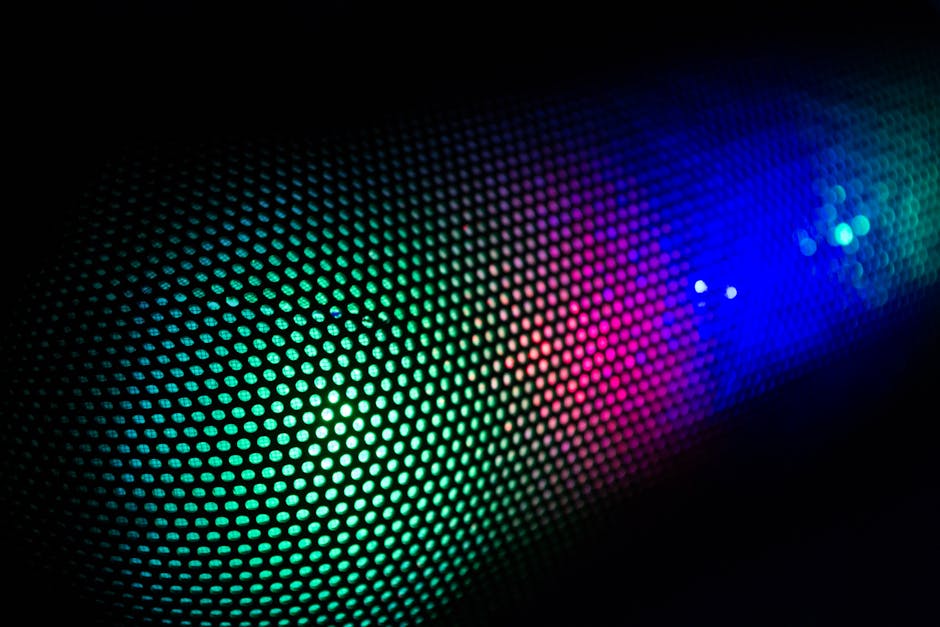
LEDs work by passing an electrical current through a semiconductor material, which then emits light. This process is known as electroluminescence. Unlike traditional incandescent bulbs that convert electricity into light using a filament, LEDs are highly efficient, producing more light per watt consumed. This efficiency results in lower energy costs and longer lifespans, with many LEDs lasting up to 25,000 hours or more.
Moreover, LEDs emit very little heat compared to incandescent bulbs, which waste a significant amount of energy as heat. This characteristic not only improves energy efficiency but also enhances safety in various applications. For example, in commercial settings where lighting is on for extended periods, the reduced heat output can help minimize cooling costs.
The Environmental Impact of LEDs
One of the most significant advantages of LED technology is its positive impact on the environment. Traditional lighting solutions, like incandescent and fluorescent bulbs, contribute to greenhouse gas emissions due to their high energy consumption. In contrast, LEDs consume up to 80% less energy, drastically reducing carbon footprints.
Additionally, LEDs are free from hazardous materials such as mercury, which is commonly found in fluorescent lights. The elimination of such toxins not only protects the environment but also ensures safer disposal options. As more individuals and companies commit to sustainability, the adoption of LEDs is likely to increase.
Applications of LED Lighting
LEDs are versatile and can be used in a variety of settings. In home lighting, they are available in numerous forms, including bulbs, strips, and panels, allowing for diverse aesthetic and functional applications. For instance, many homeowners opt for LED strips to enhance the ambiance in their living spaces, creating a warm and inviting atmosphere.
In commercial environments, LEDs are increasingly used in signage, highlighting their ability to produce bright, vibrant colors. Retailers often utilize benzi LED RGB to create eye-catching displays that attract customers. This capability not only boosts visibility but also enhances branding efforts.
The Future of LED Technology
The future of LED technology looks promising, with ongoing research focused on enhancing efficiency and reducing costs. Innovations such as organic LEDs (OLEDs) and quantum dots are paving the way for even more advanced lighting solutions. OLEDs, for instance, offer an ultra-thin and flexible light source that opens up new possibilities for design and functionality.
Moreover, as smart home technology becomes more prevalent, the integration of LEDs with smart devices will elevate the user experience. Smart LEDs can be programmed to change colors, dim, or even sync with music, providing personalized lighting solutions that cater to individual preferences.
Conclusion
In conclusion, LEDs are not just a trend but a cornerstone of modern lighting solutions. With their energy efficiency, environmental benefits, and diverse applications, they are set to dominate the lighting market in the years to come. As technology continues to advance, consumers can expect even more innovative uses for LEDs that enhance both functionality and aesthetics.