

The construction industry has long been a cornerstone of economic development and infrastructure growth. As we move further into the 21st century, this industry is undergoing significant transformations driven by technology, sustainability, and changing consumer demands. In this article, we explore the current trends and innovations that are shaping the future of construction.
Technological Advancements
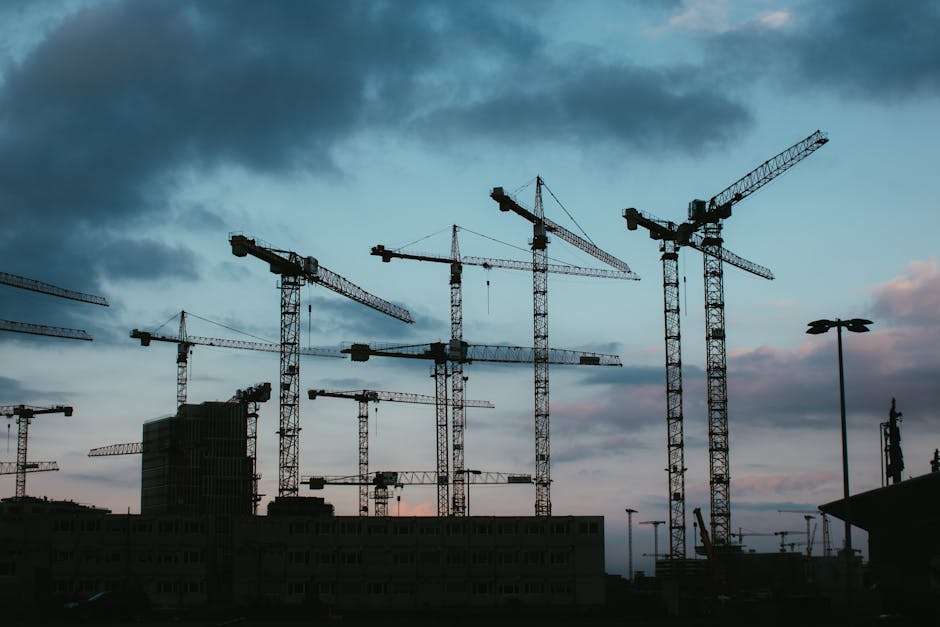
One of the most significant changes in the construction industry is the integration of advanced technologies. From Building Information Modeling (BIM) to drones and 3D printing, these tools are enhancing project efficiency and accuracy. For instance, BIM allows architects and engineers to create detailed digital models of structures, facilitating better collaboration and reducing errors during construction.
Drones, on the other hand, are being used for site surveys, providing real-time data and aerial imagery that greatly assist in planning and monitoring projects. According to a report by McKinsey, the use of drones can reduce project time by up to 30%. Furthermore, 3D printing is revolutionizing the way we approach construction, with the potential to create entire buildings in a fraction of the time and cost of traditional methods.
Sustainability in Construction
As environmental concerns continue to rise, sustainability has become a central focus for the construction industry. Companies are increasingly adopting green building practices to minimize their ecological footprint. This includes using sustainable materials, implementing energy-efficient designs, and reducing waste throughout the construction process.
For example, many new buildings are being constructed with recycled materials and are designed to meet LEED (Leadership in Energy and Environmental Design) standards. The adoption of these practices not only benefits the environment but can also lead to significant cost savings in the long run. A study by the World Green Building Council found that green buildings can reduce energy consumption by up to 50%.
Workforce Development
The construction industry is facing a workforce shortage, with many skilled workers retiring and not enough young talent entering the field. To address this issue, companies are investing in training and development programs to equip the next generation of construction professionals with the necessary skills.
Moreover, there is a growing emphasis on diversity and inclusion within the workforce. Initiatives aimed at attracting women and minorities to the construction sector are gaining momentum, as companies recognize the value of diverse perspectives in driving innovation and problem-solving.
Safety Innovations
Worker safety remains a top priority in the construction industry, and innovations in safety technology are helping to reduce accidents and fatalities on job sites. Wearable technology, such as smart helmets and vests equipped with sensors, can monitor workers’ health and safety in real-time, alerting supervisors to potential hazards.
In addition, augmented reality (AR) is being used for safety training, providing immersive simulations that help workers understand risks and best practices without the dangers associated with on-site training. According to OSHA, these innovations can lead to a significant decrease in workplace accidents, improving overall productivity.
Collaboration and Networking
The construction industry thrives on collaboration and networking. As projects become more complex, effective communication among stakeholders is crucial. Online platforms and construction networks, such as construction network charlotte nc, are facilitating connections among contractors, suppliers, and clients, streamlining processes and improving project outcomes.
These networks provide access to resources, training, and shared knowledge, which can enhance project efficiency and foster innovation. As the industry continues to evolve, the importance of collaboration will only increase, making these networks invaluable for construction professionals.
Conclusion
The construction industry is at a pivotal moment, with technological advancements, sustainability efforts, workforce development, safety innovations, and enhanced collaboration driving its evolution. As these trends continue to unfold, it is essential for industry stakeholders to adapt and embrace change. By doing so, they can not only improve their operations but also contribute to a more sustainable and efficient built environment for future generations.