

In the fast-paced business world, corporate events play a crucial role in fostering relationships, enhancing brand visibility, and boosting employee morale. From annual conferences to team-building retreats, these events are essential for any organization aiming to create a lasting impact. However, planning a successful corporate event requires meticulous attention to detail, strategic thinking, and creativity. This guide will explore the key components of corporate event planning, offering insights and practical advice to ensure your next event is a resounding success.
Understanding the Purpose of Corporate Events
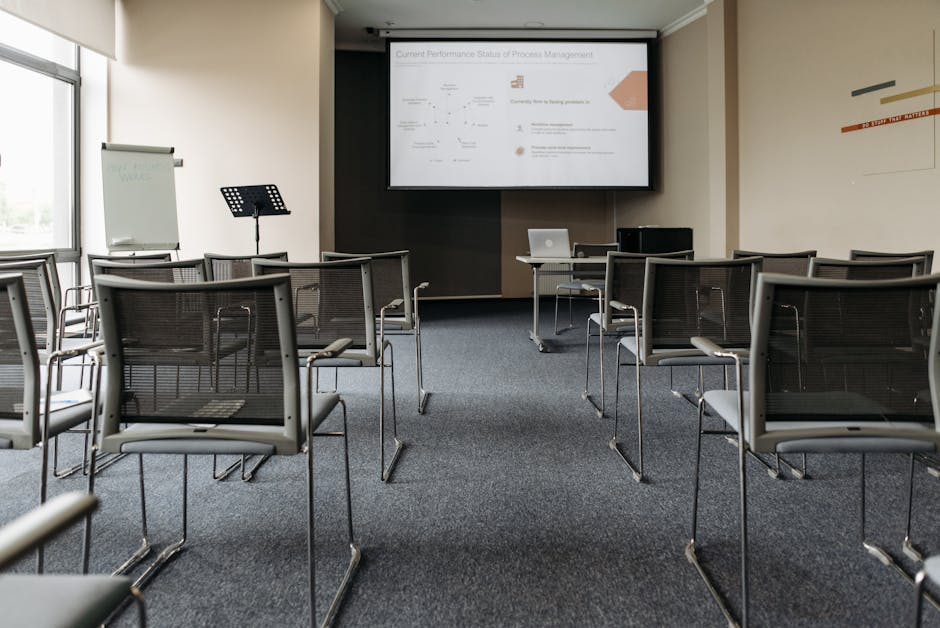
Before diving into the logistics of planning a corporate event, it is vital to understand its purpose. Corporate events can serve various functions, including networking, training, product launches, and celebration of achievements. Identifying the primary objective of your event will guide all subsequent decisions, from venue selection to guest list curation.
For instance, if the goal is to strengthen team cohesion, a team-building retreat might be appropriate. Alternatively, if the aim is to showcase a new product, a launch event with demonstrations and presentations would be more fitting. Understanding the purpose will help tailor the event to meet the specific needs of your organization and attendees.
Key Elements of Successful Planning
Successful corporate events are the result of careful planning and execution. Several key elements should be considered when organizing an event. First, establishing a clear budget is essential. This budget will dictate venue selection, catering options, and any entertainment expenses you might incur.
Next, choosing the right venue is critical. The venue should align with the event’s purpose and accommodate the expected number of attendees. For instance, a large conference may require a convention center, while a more intimate gathering might be suited to a hotel conference room.
Finally, don’t overlook the importance of marketing your event. Effective promotion can significantly boost attendance and engagement. Utilize email campaigns, social media, and your company’s website to spread the word, ensuring that your target audience is informed and excited about the upcoming event.
Incorporating Entertainment and Engagement
One of the most effective ways to keep attendees engaged during corporate events is through entertainment. Incorporating unique elements, such as guest speakers, interactive workshops, or live performances, can enhance the overall experience.
For example, hiring a professional entertainer can add a memorable touch to your event. If you’re hosting a corporate gathering in Boston, consider booking a Corporate Magician Boston to entertain guests during dinner or breaks. This can create a lively atmosphere and provide attendees with a memorable experience that sets your event apart from others.
Measuring Success Post-Event
Once the event has concluded, it is crucial to assess its success. This can be done through various metrics, including attendee feedback, engagement levels, and overall satisfaction. Surveys can be distributed to gather insights into what attendees enjoyed and where improvements can be made for future events.
Additionally, analyzing attendance numbers and engagement on social media can provide valuable data. Understanding what worked well and what didn’t will help refine your approach for future corporate events, ensuring continuous improvement.
Conclusion: The Future of Corporate Events
As the business landscape continues to evolve, so too do corporate events. The shift towards hybrid and virtual events has opened up new possibilities for engagement and reach. However, the core principles of effective planning and execution remain the same. By understanding the purpose of your event, carefully planning its elements, incorporating engaging entertainment, and measuring success, you can create impactful corporate events that resonate with attendees and drive your business objectives forward.